
Things to Do in Caracas in September
September weather, activities, events & insider tips
Low Season · Budget Friendly
September Weather in Caracas
Long-run averages for September
83°F (28°C)
High Temp
69°F (20°C)
Low Temp
4.7 inches (119 mm)
Rainfall
76%
Humidity
13
Sunny-Day UV
⚠ September sits in the middle of Caracas's rainy season. Afternoon storms regularly drop heavy rain in short, intense bursts that overwhelm drainage in lower-lying neighborhoods around Parque Central and parts of Sabana Grande. Flash flooding on steep streets is a real hazard during and immediately after storms. Avoid walking through flowing water. Stay off hillside paths until runoff subsides.
⚠ Landslide risk increases along the Avila's lower slopes and on the autopista to the coast during sustained heavy rain. Caracas's mountain geography channels water into narrow quebradas (ravines) that can increase without warning. Heed any local advisories about trail closures on Waraira Repano. Avoid the mountain road if heavy rain has persisted for more than a few hours.
Making the most of September in Caracas? Browse tours and activities in Caracas on GetYourGuide.
Is September Right for You?
Weigh the advantages and considerations before booking
Advantages
- + September's 76% humidity is the lowest Caracas records in any wet-season month. Sounds counterintuitive. It matters. The air stays tropical. But you lose that suffocating weight August and November carry. Morning hikes on the Avila feel almost pleasant before 9 AM. The breeze that rolls down the valley at dusk drops temperatures to a comfortable 20°C (69°F) range.
- + The Avila, Waraira Repano since 2011, hits peak green in September. The mountain wall that defines Caracas's northern edge transforms from dry-season brown into dense tropical canopy that glows after rain. The waterfalls along the Sabas Nieves trail run with force. Photographers will find September light, with its dramatic afternoon cloud formations breaking over the ridgeline, far more compelling than the hazy dry-season glare.
- + Tourism drops to near-zero in September. The museums along the Parque Los Caobos axis, Museo de Bellas Artes, the Galeria de Arte Nacional, the Museo de Ciencias Naturales, are practically empty on weekday mornings. At the Universidad Central de Venezuela, a UNESCO World Heritage site where Carlos Raul Villanueva's mid-century architecture wraps around murals by Calder and Leger, you might have entire courtyards to yourself. That solitude at a site this significant is worth the rain.
- + Accommodation rates drop noticeably from the December-through-February window when diaspora Venezuelans return for holidays and business travelers fill Chacao and Altamira. September sits in a genuine pricing trough. Better rooms in safer neighborhoods cost less. Last-minute availability exists. The high season simply does not offer this.
Considerations
- − Afternoon rain is close to a certainty. Storms typically build between 1 PM and 3 PM, and when they hit they hit hard. Not a drizzle. A vertical wall of water that turns steep streets into temporary rivers and can strand you indoors for an hour or more. Any outdoor plan that depends on an afternoon window is a gamble you will likely lose.
- − Caracas demands situational awareness that most Latin American capitals do not. Certain neighborhoods, Petare, parts of Catia, the 23 de Enero parish, are dangerous for visitors at any time of year. Even in safer districts like Altamira, Las Mercedes, and El Hatillo, walking alone after dark requires careful judgment. September's early sunsets, around 6:15 PM, shorten the comfortable daylight window for exploration.
- − The road between Caracas and the Litoral Central coast, the autopista that drops 900 m (2,953 ft) through the mountains to the Caribbean, sees landslide closures and slower traffic during peak rainy months. A coastal day trip that takes 40 minutes in January can stretch to two hours in September if crews are clearing debris, and occasionally the road closes entirely for a day. Check conditions the morning of any planned beach trip.
Settled on September? Compare hotel prices in Caracas for your dates on Trip.com.
Best Activities in September
Top things to do during your visit
Sunrise Hiking on Waraira Repano (El Avila)
The mountain that defines Caracas rises to 2,765 m (9,072 ft) directly behind the city, and September turns its trails into something close to a cloud forest. Start from the Sabas Nieves entrance in Altamira before 6 AM, when the air is still cool at around 20°C (69°F) and the humidity has not yet climbed. The first twenty minutes climb steeply through eucalyptus groves that smell sharp and medicinal in the morning damp, and then the canopy opens to views of the valley floor still wrapped in low cloud. The trail to the Loma del Viento saddle takes roughly two and a half hours at a steady pace, and on clear mornings you can see the Caribbean coastline from the ridge. September's morning weather window tends to hold until about 10 AM before the clouds build, so plan to be descending by then. The trails get slick after rain. Red clay turns to grease underfoot. Proper hiking shoes with aggressive tread are not optional. Bird activity peaks in the wet season: watch for the orange-fronted parakeets that move through the mid-canopy in noisy flocks of twenty or more.
Booking Tip: Guided hiking groups depart from the Sabas Nieves and Altamira trailheads most mornings. Book through licensed operators at least a week ahead, and confirm that guides carry first-aid kits and have radio communication for the upper trails. See current guided options in the booking section below.
Museum and Architecture Circuit along Parque Los Caobos
When the afternoon rain arrives, and it will, the cultural corridor that runs from Plaza Venezuela east through Parque Los Caobos becomes the smartest place in Caracas. The Museo de Bellas Artes, housed in a neoclassical building from 1938, holds one of South America's stronger collections of Egyptian antiquities alongside Venezuelan masters like Armando Reveron, whose sun-bleached coastal canvases look entirely different from anything you have seen reproduced. Across the park, the Galeria de Arte Nacional fills a brutalist concrete structure with Venezuelan art spanning five centuries. But the real architectural prize sits ten minutes south at the Universidad Central de Venezuela campus, where Villanueva's Aula Magna concert hall contains Alexander Calder's floating acoustic sculptures, enormous abstract forms suspended from the ceiling that double as sound diffusers. The campus is still a working university, and walking its covered walkways while rain hammers the concrete overhead, with Fernand Leger mosaics glowing in the grey light, is one of Caracas's transcendent experiences.
Booking Tip: Most museums along this corridor are open Tuesday through Sunday, with mornings generally less crowded. Cultural walking tours with local art historians can be arranged through licensed guide services. Book three to five days ahead. Confirm the itinerary includes UCV campus access. Check current cultural tour options in the booking section below.
Caribbean Coast Day Trip to Litoral Central
The Caribbean sits just 30 km (19 miles) north of Caracas. But the road descends the entire 900 m (2,953 ft) of the coastal mountain range in a series of tunnels and switchbacks that make the distance feel much longer. The payoff is real: the beaches around Naiguata and the old colonial town of Macuto offer warm Caribbean water and a coastal atmosphere that feels nothing like the mountain-valley intensity of the capital. September seas tend to be calmer than the windier months of January through March, and the beaches themselves are largely empty on weekdays. The sand is dark and coarse, not the white powder of the offshore islands. But the water is clean and warm enough that you barely register the transition from air to sea. Leave Caracas before 7 AM to beat both traffic and weather. The coast often stays clear even when the capital is under cloud, thanks to the rain shadow effect of the mountains. The fishing village of Chuspa, further east, is worth the extra drive for its quieter coves and the smell of fresh-grilled fish from roadside parrillas that have been feeding weekend caraqueños for decades.
Booking Tip: Coastal day tours with transportation handle the mountain road logistics, which matters given the road conditions in September. Book at least a week ahead and confirm the operator monitors road closures. Current coastal excursion options are available in the booking section below.
El Hatillo Colonial Village and Artisan Markets
El Hatillo sits at the southeastern edge of the Caracas valley, a pocket-sized colonial town that has served as the capital's weekend escape since the 18th century. The cobblestone streets are narrow enough that the overhanging balconies nearly touch overhead, and the paint colors, terracotta, deep blue, sun-faded yellow, have the slightly weathered quality that comes from actual age rather than restoration theater. September mornings here start quietly: coffee from a corner cafe tastes like dark chocolate and burnt sugar, served in small ceramic cups on a plaza where the loudest sound is pigeons. The artisan shops clustered around Plaza Bolivar de El Hatillo sell handmade ceramics, woven hammocks, and cacao products from Venezuelan criollo beans. This is shopping that involves conversation with the maker rather than a transaction with a cashier. The town is small enough to walk in an hour. But the point is not to rush. By early afternoon the clouds build over the surrounding hills, and if you are sitting on the plaza when the rain starts, the temperature drops five degrees in minutes and the cobblestones release a mineral, wet-stone smell that is one of the most specific sense memories Caracas produces.
Booking Tip: El Hatillo is reachable by taxi from eastern Caracas in about 30 minutes. Guided cultural walks that include artisan workshops and local food stops operate on weekends primarily. Book two to three days ahead. See current options in the booking section below.
Caracas Food Circuit through La Candelaria and Sabana Grande
Caracas eats arepas the way other cities drink coffee: reflexively, standing up, twice a day. The arepa here is not the Colombian version. It is smaller, denser, made from pre-cooked white maize flour, split open and stuffed with combinations that range from reina pepiada (shredded chicken with avocado and mayo, invented in Caracas in the 1950s) to pabellon (shredded beef, black beans, fried plantain, and crumbled white cheese packed into a single corn pocket). The Sabana Grande boulevard, a long pedestrian stretch running through the city's commercial heart, is where caraqueños have been eating lunch on the move for fifty years, and the areperas along its length stay crowded from 11 AM until the afternoon rain clears everyone out. La Candelaria, the old Spanish quarter a few blocks north, smells different. Cured ham and olive oil drift from the Spanish tabernas and tascas that have operated here since the postwar immigration wave. A cachapa, the sweet corn pancake folded around a slab of queso de mano that stretches in warm strings when you pull it apart, is September comfort food: heavy, sweet, and best eaten from a street-side comal while the rain drums on the awning above you.
Booking Tip: Food-focused walking tours operate in small groups through these neighborhoods, typically running morning sessions that finish before the afternoon weather turns. Book three to five days ahead and confirm the route stays in well-trafficked commercial areas. Current food experience options are in the booking section below.
Teleferico Cable Car to Waraira Repano Summit
The Teleferico de Caracas lifts you from the Maripérez station at 1,000 m (3,281 ft) to the Hotel Humboldt at 2,105 m (6,906 ft) in about fifteen minutes, and the temperature change is jarring. What was 28°C (82°F) at the base drops to something closer to 15°C (59°F) at the top, and if the clouds have not yet built, the view north across the coastal range to the Caribbean is vertigo-inducing. The Hotel Humboldt itself, a circular modernist tower perched absurdly on the mountain ridge, was designed by Tomas Sanabria in 1956 and has the eerie grandeur of a building that was ahead of its time and has outlived several of its purposes. September mornings at the summit are often above the cloud line, which means you look down on a white blanket filling the Caracas valley while standing in direct equatorial sun. Go early. The first cars run at 8 AM, and by midmorning the clouds are already climbing the mountain face. On clear days the UV at this altitude is fierce, so sunscreen and a hat are not suggestions.
Booking Tip: The cable car operates on a schedule that can shift without much notice. Confirm morning operating hours the day before your visit. Guided excursions that combine the cable car with summit hiking are available through licensed operators. See current options in the booking section below.
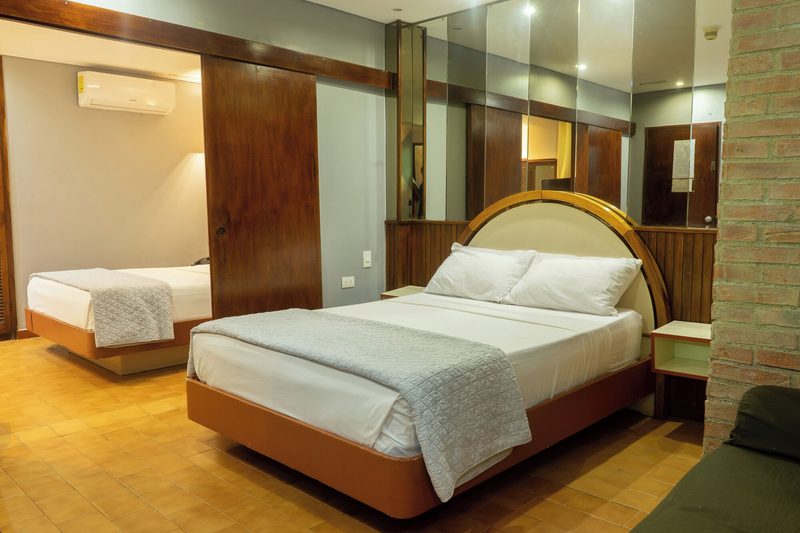
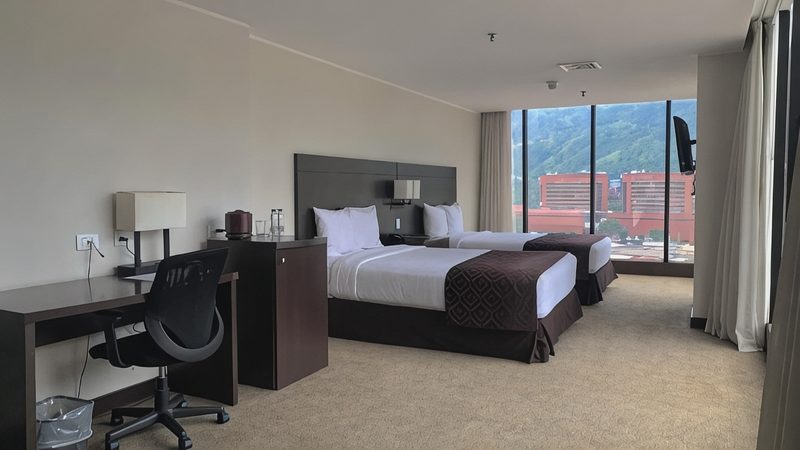
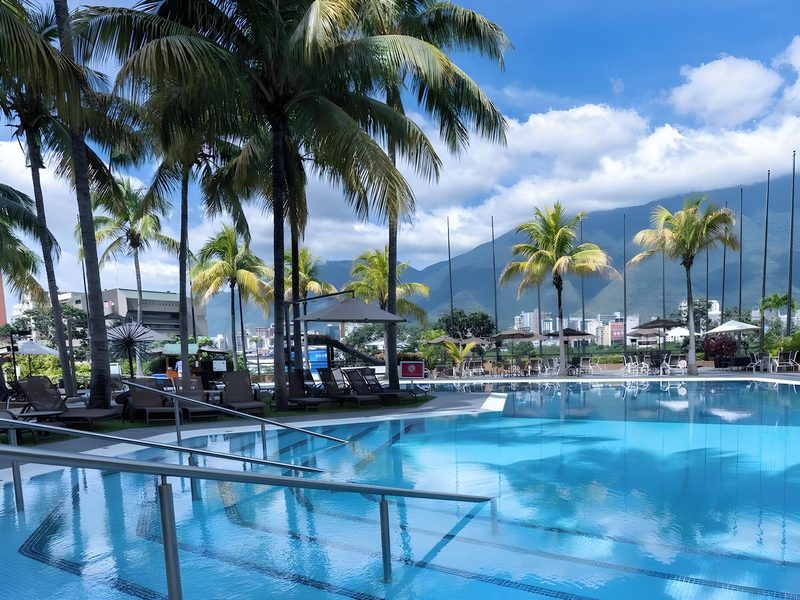
Where to Stay in Caracas in September
Hand-picked hotels across price tiers for September travellers.
Packing Checklist
Bookmark this page — your progress is saved between visits
Need the full list with shopping links?
Climate-specific gear, brand recommendations, and what to leave at home.
View Caracas Packing List →Essential Tips
Insider knowledge and common pitfalls to avoid
Insider Knowledge
Caracas operates on a geography of safety that no guidebook map will draw for you. The eastern districts, Altamira, Las Mercedes, Chacao, Los Palos Grandes, El Rosal, are where you want to base yourself, eat, and spend your evenings. These neighborhoods have private security, well-lit commercial streets, and a density of restaurants and cafes that keeps foot traffic high after dark. The western parishes and the large barrios that climb the hillsides are not tourist territory and should not be treated as such, regardless of what a GPS route suggests. Take taxis or ride-hailing apps between neighborhoods rather than walking unfamiliar stretches, and ask your accommodation for current advice. The situation is granular and shifts.
The Caracas metro is the cheapest way across the city and runs efficiently along its four lines during daylight hours. But it is also the most common site for petty theft targeting distracted travelers. If you ride it, keep valuables in a front pocket or inside a zipped bag held against your body, avoid displaying phones, and travel during off-peak hours when possible. After dark, the calculation shifts. Use private transport instead. The metro's Bellas Artes station, for what it is worth, drops you directly into the museum district and is among the safest daytime stops.
Venezuela's currency situation remains fluid in 2027, and Caracas runs on a dual-economy reality where US dollars are widely accepted and often preferred in the eastern commercial districts. Carry small-denomination dollar bills for taxis and market purchases where card terminals may not function or where the bolivar exchange rate offered is unfavorable. ATMs dispensing bolivars exist but are unreliable. The pragmatic approach is a mix of dollars in cash and a card for restaurants and shops in Altamira and Las Mercedes that process international transactions.
September nightlife in Caracas centers on Las Mercedes and the side streets of Altamira, where rooftop bars and live-music venues stay active Thursday through Saturday until well past midnight. The salsa clubs in Las Mercedes draw a local crowd that dances with a precision and heat that will make you feel underprepared. But nobody minds a foreigner trying. The etiquette is to accept if someone offers to lead you through a basic step. Arrive by 10 PM, which feels early but gets you a table. By midnight the places worth going to are full. Leave in a group and use a pre-called car, not a street taxi.
Avoid These Mistakes
Walking around with a visible phone, camera, or jewelry in unfamiliar neighborhoods. Caracas rewards discretion. Keep your phone in your pocket when you are not actively using it. Leave watches and chains at the hotel. Carry only the cash you need for the day in a front pocket. This is not paranoia. It is the baseline behavior of every caraqueño you will meet. Matching it makes you safer and less conspicuous.
Planning outdoor activities for the afternoon. September's rain pattern is predictable enough to plan around. Mornings are clear, warm, and excellent for hiking, sightseeing, and beach trips. By 1 PM the clouds are building. By 2 or 3 PM the downpour arrives. Travelers who schedule their Avila hike for after lunch will spend it under a tree watching mud run downhill. Front-load every outdoor plan before noon. Save museums, food, and shopping for the wet hours.
Assuming the coast is a quick trip. The autopista from Caracas to the Litoral Central beaches crosses the Avila range through tunnels and mountain curves. In September the combination of rain, reduced visibility, and occasional rockslide debris can double the travel time. A day trip that works well in dry season becomes a logistical headache if you leave at 10 AM instead of 7 AM. Confirm road conditions before departing. Budget extra time for the return, if afternoon storms have hit the mountains.
Short on time? See day trips around Caracas on GetYourGuide.
Ready to plan your trip to Caracas?
Now that you've got the research covered, here's where to go next.
Explore More Activities in Caracas