Things to Do in Caracas in August
August weather, activities, events & insider tips
Low Season · Budget Friendly
August Weather in Caracas
Long-run averages for August
82°F (28°C)
High Temp
69°F (20°C)
Low Temp
5.2 inches (132 mm)
Rainfall
78%
Humidity
12
Sunny-Day UV
⚠ Afternoon thunderstorms trigger flash flooding in lower-lying neighborhoods and road underpasses. Rain strikes fast. Drainage infrastructure in parts of the city is unreliable. You must avoid walking through standing water. A shallow puddle easily hides open drains or debris. Stay on high ground.
⚠ The Caracas-La Guaira highway through the Ávila faces rockslides and landslips after sustained heavy rain. Closures arrive without much advance notice. You will get stranded for hours on either side of the mountain. Always carry a solid contingency plan. Keep your phone fully charged. Monitor road alerts when making coastal trips. Stay vigilant.
⚠ Hiking trails in Waraira Repano above 2,000 m (6,560 ft) become dangerously slippery in August. Dense fog reduces visibility to a few meters on exposed ridgelines. Wet rock, steep gradients, and sudden cloud cover caused serious falls. This is not a casual walk. You should hire an experienced guide in rainy season. The investment definitely pays off. Pack sturdy boots.
Making the most of August in Caracas? Browse tours and activities in Caracas on GetYourGuide.
Is August Right for You?
Weigh the advantages and considerations before booking
Advantages
- + Caracas sits at 900 m (2,953 ft) above sea level. That elevation means August's 28°C (82°F) highs feel almost temperate. Compare that to the 34°C+ (93°F+) heat that flattens coastal Venezuelan towns. Most of the Caribbean at this latitude suffers worse. Evenings drop to 20°C (69°F). Cool enough to walk comfortably through Altamira or Las Mercedes after dark. It feels like a minor miracle if you've just come from sea-level tropics.
- + The rainy season turns Waraira Repano into something almost absurdly green. This mountain range walls off Caracas's entire northern skyline. Waterfalls along the Quebrada Quintero barely trickle in February. By August they run full. The cloud forest above 2,000 m (6,560 ft) thickens into genuine mist. The birding hits its seasonal peak. August is when the Ávila earns its reputation.
- + International tourism in Caracas is currently minimal. That means the Teresa Carreño theater, the Galería de Arte Nacional, and the Museo de Arte Contemporáneo are practically yours. These institutions would draw lines in any other South American capital. The school-vacation crowd is local families, not tour buses. That changes the texture of every public space you walk through.
- + For visitors paying in US dollars, Caracas is likely one of the most affordable major cities in South America right now. Dining, ground transportation, and cultural experiences run well below what you'd pay in Bogotá or Buenos Aires. The gap is wide. What feels mid-range at home feels generous here.
Considerations
- − Afternoon thunderstorms arrive nearly every day between roughly 2 and 5 PM. These are not polite European drizzles. August delivers full tropical downpours. Gutters overflow. Underpasses flood within twenty minutes. Plan every outdoor activity around a morning window. By 1 PM you should be indoors or ready to be.
- − Security in Caracas demands continuous awareness. It takes real mental energy. It limits spontaneity. You'll need prearranged transportation rather than street hails. Know which neighborhoods are safe to walk and at what hours. Leave cameras and jewelry at your accommodation. This is not a city where you wander freely after dark exploring back streets.
- − Infrastructure can be unpredictable even in upscale neighborhoods. Power fluctuations, intermittent water pressure, and patchy internet are part of the rhythm of the city. Services like the Teleférico cable car up the Ávila operate on schedules that shift without much public notice. Build flexibility into every plan.
Settled on August? Compare hotel prices in Caracas for your dates on Trip.com.
Best Activities in August
Top things to do during your visit
Waraira Repano National Park Hiking and Teleférico
The mountain caraqueños call El Ávila rises directly from the city's northern edge to over 2,600 m (8,530 ft). August turns it into something between a cloud forest and a fever dream of green. The Sabas Nieves trail, the most popular route up from the Altamira side, runs muddy this time of year. muddy. The kind that sucks at your boots and leaves red clay stains you won't wash out. The reward is waterfalls that barely existed in the dry months. The air cools noticeably with every hundred meters of elevation gained. Start before 7 AM. The trails are still damp from overnight. The city below sits in grey pre-dawn haze. By mid-morning you'll be above the cloud line. The temperature drops to something closer to 18°C (64°F). The humidity thickens into actual mist that beads on your arms. The Teleférico cable car, when it's running, carries you from the Maripérez station to the peak near Hotel Humboldt in about 15 minutes. A shortcut. It swaps the valley's warmth for summit temperatures around 15°C (59°F). On clear mornings, views stretch to the Caribbean on the other side. The catch is its operational schedule. It tends to change without much warning. Confirm before you build a day around it. Book guided hikes through licensed operators if you're unfamiliar with the trails. See current options in the booking section below. The park is large enough to get properly lost in. August fog above 2,000 m (6,560 ft) can reduce visibility to a few meters.
Booking Tip: Book guided hikes at least a week ahead through licensed operators familiar with rainy-season trail conditions. Morning departures are non-negotiable. Afternoon storms make exposed ridgelines dangerous. Check current guided options in the booking widget below.
Litoral Central Beach Day Trips
The beaches that caraqueños claim as their own sit on the other side of the Ávila. A highway connects them, tunneling through the mountain and dropping from 900 m (2,953 ft) to sea level in about 30 to 45 minutes. The moment you exit the last tunnel, the Caribbean opens up below you. The temperature jumps to something closer to 32°C (90°F). Salt air replaces the valley's mix of exhaust and wet greenery. August brings warmer water and relatively calm seas along the Litoral Central. The surf is gentler than the December swells. The afternoon rain pattern follows you to the coast. Morning arrivals remain the rule. Camurí Grande and Los Caracas fill with local families on weekends during school vacation. The sand crowds with coolers. Reggaetón competes from rival speakers. That atmosphere is either what you came for or exactly what you'd rather avoid. Weekdays are another experience entirely. The same beaches, mostly empty. Small waves. The smell of fried fish from roadside stands that dot the highway on the descent. The drive down is part of the experience. Switchbacks through banana groves. The air thickens and warms as you lose altitude. Vendors sell coconut water at the tunnel exits. One honest warning: the highway can close after heavy rain due to rockslides. Have a flexible return plan.
Booking Tip: Book transport through your hotel or a vetted local operator. Skip the mountain highway solo. Weekend trips need a 7 AM departure from Caracas. Beat the family traffic. Check the booking widget below for current beach excursions.
Caracas Museum and Performing Arts Circuit
August rain turns the city's cultural spots from obligation to refuge. The Teresa Carreño theater complex, one of South America's largest performing arts venues, anchors the cultural corridor along Avenida Bolívar since 1983. It programs orchestral performances, ballet, and contemporary dance through the vacation season. The audiences are local. They pay attention. A full orchestra in that hall delivers one of Caracas's most underappreciated experiences. The brutalist concrete exterior hides surprisingly warm acoustics. Across the corridor, the Galería de Arte Nacional holds five centuries of Venezuelan art. The modernist building's air conditioning alone justifies the visit. The afternoon downpour hits. Steam rises from the asphalt. The Museo de Arte Contemporáneo de Caracas opened in 1974. Its modern art collection deserves crowds. You might be alone on a Tuesday afternoon. That is privilege. That is also strange. The Parque Central complex looms nearby. Its twin towers once symbolized Venezuelan modernity. They show the ambition of the oil boom decades. Move between these spaces by prearranged car. Skip the connecting streets. Navigate the cultural corridor strategically.
Booking Tip: Check Teresa Carreño schedules a few days ahead. Programming updates can be informal. Local guides run cultural walking tours. They provide context you won't find alone. See current options in the booking section below. Weekday mornings are quietest.
Traditional Venezuelan Food Exploration
Mango season ends in August. The carts piled with yellow-orange fruit mark the season as surely as the daily rain. The real eating starts earlier. Areperas open by 6 AM in La Candelaria and Chacao. You will hear one before you see it. The flat slap of corn dough on a hot plancha. The sizzle in oil. The scrape of metal flipping the round cake until the outside chars and the inside stays soft enough to split. The reina pepiada is the classic: shredded chicken, avocado, a touch of mayonnaise. The filling honors a Venezuelan beauty queen from the 1950s. The carne mechada tells you more. Slow-pulled beef, dark and stringy. So does the domino: black beans and crumbled white cheese. This is how caraqueños eat. Cachapas peak in August. The central valley corn harvest is freshest. Sweet corn pancakes fold over queso de mano. The soft white cheese stretches when warm. The contrast with sweetness defies explanation until you taste it. Parchita, passion fruit, appears everywhere. The juice is tart enough to pucker your lips. Market blenders serve it ice-cold. This is the unofficial drink of the rainy season. Those blenders compete with reggaetón from phone speakers two stalls over. That is August in Caracas, distilled.
Booking Tip: Food walking tours with local guides offer the safest, most rewarding path through street food. Book a few days ahead. Request morning schedules. The best areperas are freshest then. The heat hasn't peaked. See current food tour options in the booking widget below.
El Hatillo Colonial Village
El Hatillo sits at 1,100 m (3,609 ft) in the southeastern hills. It runs a degree or two cooler than central Caracas. The colonial plaza dates to the 18th century. Cobblestone streets and painted facades, faded pink, pale blue, terracotta, look most saturated after August rain. Wet stone reflects the colors. The air smells of damp earth and coffee from roasting houses that have operated here for decades. This small-town atmosphere exists inside one of South America's largest metropolitan areas. Chacao's towers are 30 minutes away. El Hatillo works as Caracas's decompression valve. Craft shops, small galleries, and cafes radiate from Plaza Bolívar in walkable blocks. The pace drops from the city center's tension. August weekends bring local families. Kids run between ice cream shops. Parents sit on benches under samán trees older than most buildings. This is a neighborhood. It is not a restoration project. That separates El Hatillo from colonial towns preserved in amber for photographs. The cafes serve Venezuelan coffee roasted locally. It is dark and slightly sweet. Drinking it while rain drums on a tile roof is one of Caracas's quieter satisfactions.
Booking Tip: Reach El Hatillo by prearranged car from central Caracas. Plan a half-day. Arrive mid-morning, before the afternoon rain. Combine with lunch at a plaza-facing restaurant. Some tour operators include El Hatillo in broader Caracas day tours. Check the booking widget below for current options.
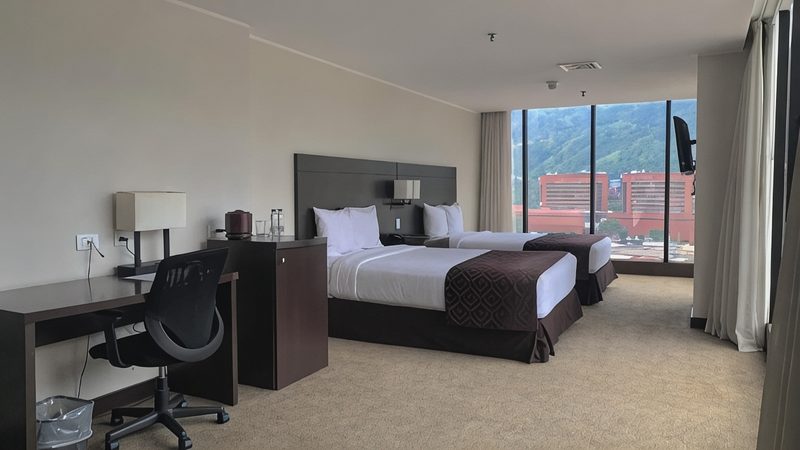
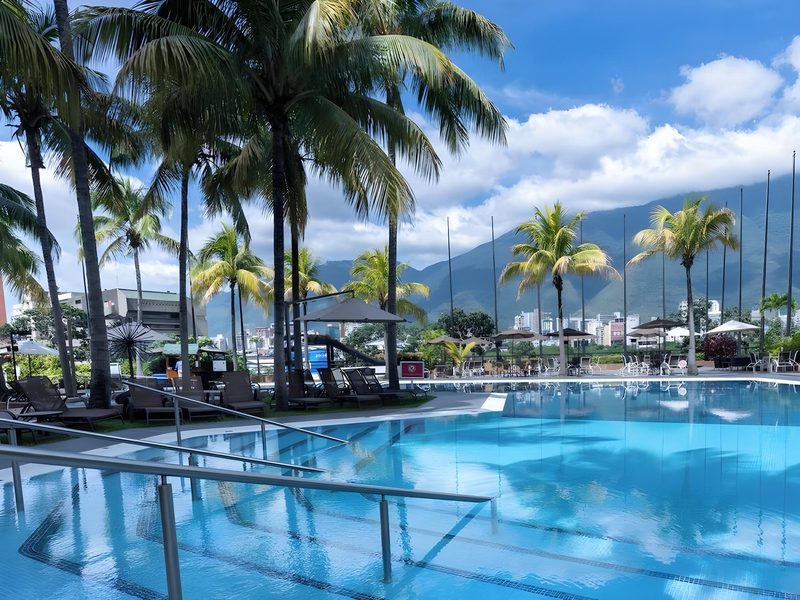
Where to Stay in Caracas in August
Hand-picked hotels across price tiers for August travellers.
Packing Checklist
Bookmark this page — your progress is saved between visits
Need the full list with shopping links?
Climate-specific gear, brand recommendations, and what to leave at home.
View Caracas Packing List →Essential Tips
Insider knowledge and common pitfalls to avoid
Insider Knowledge
Use the Ávila mountain as your compass. It sits due north, visible from almost everywhere in the valley. Orient yourself to it. The city's layout starts making sense. When clouds swallow the mountain, rain hits in fifteen minutes.
Use ride-hailing apps for all transport. Skip street taxis. This is safety practice, not cost advice. Most caraqueños do the same. Digital records of drivers and routes are standard here. Ask your accommodation which apps work best now.
Caracas nightlife clusters in Las Mercedes and parts of Altamira. The restaurant and bar blocks feel more relaxed than daytime. Dinner starts at 9 PM. Drinks flow after 11. Everything moves by car between venues. Go with locals or an arranged group. Skip solo walks.
The Caracas Metro covers the central east-west corridor. It works for daytime travel between Altamira, Chacao, and Bellas Artes. Rush hour, 7 to 9 AM and 5 to 7 PM, packs cars tight. Mid-morning or early afternoon rides surprise you with efficiency. Traffic above ground is impossible.
Avoid These Mistakes
Schedule outdoor activities for mornings. August has a rhythm here. Clear mornings. Building clouds by noon. Downpour by 2 or 3 PM. Clearing by 5 or 6. Late risers get trapped under awnings watching streets flood. Set alarms. Do mornings. Save indoor plans for after lunch.
Arrange reliable ground transportation before arriving. Showing up at Maiquetían airport without a prearranged pickup is the most common way to start badly. Have your accommodation arrange a car. Confirm the day before. Carry the driver's number on paper and in your phone.
Know that Caracas's beaches are not in Caracas. The Litoral Central coast is 30 to 45 minutes away by mountain highway. The road closes after heavy rain. Weekend return traffic triples your time. Beach days need real planning. Skip the casual breakfast decision.
Short on time? See day trips around Caracas on GetYourGuide.
Ready to plan your trip to Caracas?
Now that you've got the research covered, here's where to go next.
Explore More Activities in Caracas