
Things to Do in Caracas in November
November weather, activities, events & insider tips
Low Season · Budget Friendly
November Weather in Caracas
Long-run averages for November
82°F (28°C)
High Temp
68°F (20°C)
Low Temp
5.1 inches (130 mm)
Rainfall
87%
Humidity
11
Sunny-Day UV
⚠ November rain plus steep valley geography equals landslide and flash flood risk. Hillside barrios suffer. The highway to Litoral Central coast faces the same threat. After heavy sustained rain, avoid mountain roads and steep zones until conditions settle.
⚠ Humidity hits 87% in November. The annual peak. Combined with 28°C (82°F), this exhausts faster than heat alone. Drink water constantly. Take midday breaks in air conditioning. Watch for dizziness or nausea outdoors.
⚠ Mosquito activity spikes hard during the tail end of rainy season. Dengue and other mosquito-borne illnesses circulate in Venezuela. Use repellent consistently. Dawn and dusk are peak hours. Parks and green spaces demand extra vigilance.
Making the most of November in Caracas? Browse tours and activities in Caracas on GetYourGuide.
Is November Right for You?
Weigh the advantages and considerations before booking
Advantages
- + November arrives right after Caracas's peak rain. Waraira Repano (the mountain wall that defines the city's northern skyline) drinks that moisture so the ridgeline practically glows against afternoon clouds. The landscapes are at their most dramatic. Waterfalls run strong on the mountain trails. Valley air carries an earthy, wet leaf scent. That dampness dries out entirely by February. Photograph Caracas looking alive rather than dusty. Catch it now. Do not wait.
- + International visitor numbers in November tend to be minimal. Caracas has never been a high-volume tourism destination. November falls in a shoulder period between the tail of the rains and the December holiday rush. Venezuelans travel domestically during those weeks. The practical effect is clear. Whatever you want to do, you are probably not competing with a crowd. Lines at the Teleférico del Ávila (the cable car that hauls you from the valley floor up to over 2,100 m (6,890 ft)) are short or nonexistent on weekday mornings. Go early.
- + For travelers carrying foreign currency, Caracas in November stands out as one of the most affordable major capitals in the Americas. Accommodation, meals, and transport run at a fraction of what you would pay in Bogotá or Lima for a comparable experience. The economic reality is complicated. Understand the local rules before you arrive. The practical result for visitors is that your budget stretches remarkably far. Save money. Enjoy the city.
- + November marks the unofficial start of Venezuela's Christmas season. This celebration is unlike anything else in Latin America. By the second week of the month, the sound of gaitas (the accordion-and-tambor Christmas music native to Zulia state) starts spilling out of shops, taxis, and apartment windows across Caracas. Hallaca preparation begins in family kitchens. These banana-leaf-wrapped parcels of corn dough stuffed with stewed pork, olives, capers, and raisins take a full day to assemble. Walking through neighborhoods like El Hatillo or Chacao in late November, you catch the warm, vegetal smell of banana leaves steaming. You also hear the sharper note of sofrito simmering. The city shifts emotional registers in November. It moves from ordinary to festive. You feel it in the streets before any decorations go up. Watch closely.
Considerations
- − The rain is real. At 130 mm (5.1 inches), November remains one of Caracas's wetter months. The humidity (87%, the highest of the year) makes even 28°C (82°F) feel heavier than it sounds. Afternoon storms tend to arrive fast and hard. They sometimes turn steep streets into temporary streams within minutes. The valley geography funnels water downhill aggressively. Low-lying areas near the Guaire River can flood during sustained downpours. You will get caught in rain at some point. Bring a jacket. Pack a plan B. Stay dry.
- − Safety remains the single biggest factor shaping how you experience Caracas. Being honest about it matters more than reassurance. Petty crime, phone theft, and express kidnapping are documented risks. Locals navigate these dangers daily with specific habits. They avoid carrying visible electronics on the street. They steer clear of certain zones after dark. They use only trusted transport. Tourists who do not adapt to these norms stand out immediately. This is not a city where you wander aimlessly exploring back alleys. Every outing benefits from local guidance, pre-planned routes, and awareness of your surroundings. The risk is manageable with preparation. Take precautions. The danger shapes your trip in ways that more tourist-friendly capitals do not. Stay alert.
- − Getting to the Caribbean coast from Caracas (the beaches that draw so many search queries) requires crossing the Ávila mountain range via a highway that descends steeply from about 900 m (2,953 ft) to sea level in under 30 km (18.6 miles). In November's rain, this road is prone to landslides and slow traffic. The trip that takes 40 minutes in dry season can stretch past two hours after a heavy storm. The beaches at Macuto, Naiguatá, and along the Litoral Central are definitely worth reaching. Warm Caribbean water greets you. Volcanic sand covers the ground. Fried fish stalls line the malecón. November is the least reliable month to plan a beach day with confidence. Check the weather. Pack rain gear.
Settled on November? Compare hotel prices in Caracas for your dates on Trip.com.
Best Activities in November
Top things to do during your visit
Waraira Repano Mountain Hiking and Teleférico Rides
The mountain that locals still call El Ávila rises directly behind Caracas to 2,765 m (9,072 ft). In November it is at peak green after months of rain. The trails from Sabas Nieves entrance or Altamira sector climb through cloud forest. Bromeliads cling to every trunk. The air smells of wet moss and decaying orchid petals. November's cloud cover works in your favor here. The canopy blocks direct sun. Temperatures on the trail sit around 22°C (72°F). The humidity keeps you cool as long as you are moving. Start before 7 AM to catch clear views of the valley before afternoon clouds roll in. The Teleférico cable car, when operational, lifts you above the cloud line to the Hotel Humboldt summit. On clear mornings you can see the Caribbean coast on one side. The entire valley of Caracas sits on the other. The trails are muddy in November. They are extremely slippery in sections. Ignore the mud at your peril. Proper footwear is non-negotiable. Check locally whether the Teleférico is running before planning around it. Maintenance closures happen without much public notice. Go prepared.
Booking Tip: Guided hiking groups tend to depart from Altamira on weekend mornings. Book at least a week ahead through licensed operators. They know current trail conditions well. November rains can close sections without warning. See current guided options in the booking section below. Reserve early.
El Hatillo Colonial Village and Artisan Markets
El Hatillo sits on the southeastern edge of metropolitan Caracas at a slightly higher elevation. Its colonial core, whitewashed houses with terracotta roofs, a central plaza anchored by a church dating to the 1780s, feels like stepping out of the city entirely. November's overcast skies and occasional drizzle give the cobblestone streets a particular quality of light that photographs well. Cooler evenings draw families out to the plaza in a way that the hotter dry-season months do not. The village is known for its artisan chocolate shops, where the smell of roasting cacao, sharp, slightly bitter, nothing like the sweetened version you know, fills the narrow streets. Venezuelan cacao is among the finest in the world. El Hatillo is one of the few places in Caracas where you can taste single-origin bars made from Chuao or Barlovento beans and understand the difference. The village also hosts small galleries and craft workshops tucked behind unmarked wooden doors, the kind of places you find by following a hand-lettered sign down a side street. November's low visitor numbers mean shop owners have time to talk. Conversations about Venezuelan cacao or traditional pottery can stretch into an hour without anyone minding.
Booking Tip: Half-day cultural tours that include El Hatillo with transport from central Caracas are the most practical option, as public transit connections are limited. Book a few days ahead. See current options in the booking widget below.
Caracas Historic Center Walking Tours
The blocks around Plaza Bolívar in the centro histórico hold the Panteón Nacional, the Catedral de Caracas, the Casa Natal del Libertador, the house where Simón Bolívar was born in 1783, and the Concejo Municipal with its interior courtyard where the Declaration of Independence was signed. Walking these streets in November, the air is thick and warm, carrying the smell of empanadas frying at corner stands and the sound of street vendors calling out over traffic. The architecture ranges from colonial churches with cool stone interiors to mid-century modernist towers that were advanced when Caracas was one of Latin America's wealthiest capitals. November's cloud cover keeps temperatures manageable for walking, though the humidity will soak through your shirt within the first hour. The centro is best visited in the morning with a knowledgeable guide who understands current street-level conditions and can navigate you through the historically significant blocks while avoiding areas that are less advisable for visitors. This is not a neighborhood for solo wandering. With the right guidance it delivers a concentration of Latin American history that few other capitals can match in a single morning.
Booking Tip: Arrange guided walking tours through established operators who include round-trip transport from safer neighborhoods like Altamira or Chacao. Book at least a week in advance. Check current availability in the booking section below.
Venezuelan Food Experiences and Arepa Culture
Caracas eats arepas the way Paris eats bread, constantly, unselfconsciously, at every meal and between them. The arepa is a grilled or fried corn cake split open and stuffed, and the fillings run from reina pepiada, shredded chicken with avocado and mayo, invented in Caracas in the 1950s, to pabellón, shredded beef, black beans, and fried plantain packed into a single handful. In November, the early Christmas season adds hallacas to the food landscape. Those banana-leaf bundles take hours to prepare, and families begin gathering on weekends to make them in batches of fifty or a hundred. The texture of a fresh hallaca is something you remember. The corn dough is soft, almost custard-like, steamed inside the leaf until it picks up a faint green, herbal flavor, and the filling inside is sweet-savory with olives and capers punctuating the slow-cooked pork. Street-side juice stalls press tropical fruits you may never have tasted, guanábana with its sour-cream tang, parchita whose tartness makes you wince and then immediately want more, lechosa blended with orange juice. November humidity makes cold fresh juice less a treat than a survival mechanism.
Booking Tip: Food-focused walking tours that cover traditional areperas and market stalls in neighborhoods like Chacao or Sabana Grande offer the safest and most informative way to eat through the city. Book several days ahead. See current food tour options in the booking section below.
Parque del Este and Caracas Green Spaces
Parque Generalísimo Francisco de Miranda, universally called Parque del Este, is the closest thing Caracas has to Central Park: 82 hectares (203 acres) of tropical gardens, a small lake, a terrarium, and paved paths shaded by samán trees whose canopies spread wide enough to shelter twenty people. In November, the park is at its greenest, the grass thick and saturated, and the resident iguanas, some well over a meter (3.3 ft) long, bask openly along the pathways. Weekend mornings bring joggers, families, and tai chi groups, and the air beneath the trees smells of cut grass and the slightly fermented sweetness of fallen mangoes. The park also contains a full-scale replica of the ship in which Francisco de Miranda sailed in 1806, beached permanently on the grounds and climbable. November mornings before 10 AM offer the best conditions: 24°C (75°F), overcast, with enough breeze to cut the humidity. By early afternoon, storm clouds tend to build over the mountains, and the park empties quickly when rain begins. Bring water. Pack insect repellent. Bring a light layer for when the rain cools the air by four or five degrees in minutes.
Booking Tip: The park is best incorporated into a broader day exploring eastern Caracas neighborhoods. Guided tours that pair it with nearby cultural sites in Altamira or Los Palos Grandes are available. Check the booking section below for current options.
Litoral Central Coastal Day Trips
The Caribbean coast north of Caracas delivers the tropical beach experience that the city itself, sitting at 900 m (2,953 ft) elevation in a mountain valley, cannot. You reach it by crossing the Ávila range through a series of tunnels and switchbacks. The towns of Macuto and Naiguatá along the Litoral Central offer dark volcanic sand, warm water that hovers around 27°C (81°F), and a malecón culture of fried fish, cold beer, and reggaeton from competing speakers. November is a gamble for beach days. That honesty matters. The coast gets its own rain, sometimes independent of Caracas weather, and the access highway can slow to a crawl after storms. The water stays warm and calm enough for swimming without concern. The drive down from the valley is dramatic regardless of weather. You descend from cloud forest through tunnels carved in the 1950s and emerge into full Caribbean heat within twenty minutes. The temperature jumps 5°C (9°F) as you lose altitude. Worth the drive.
Booking Tip: Organized coastal day trips with transport handle the driving logistics and highway uncertainty for you. Book a few days ahead to allow for weather flexibility. Confirm cancellation policies given November rain risk. See current options in the booking section below. Trust the pros. You will save time.
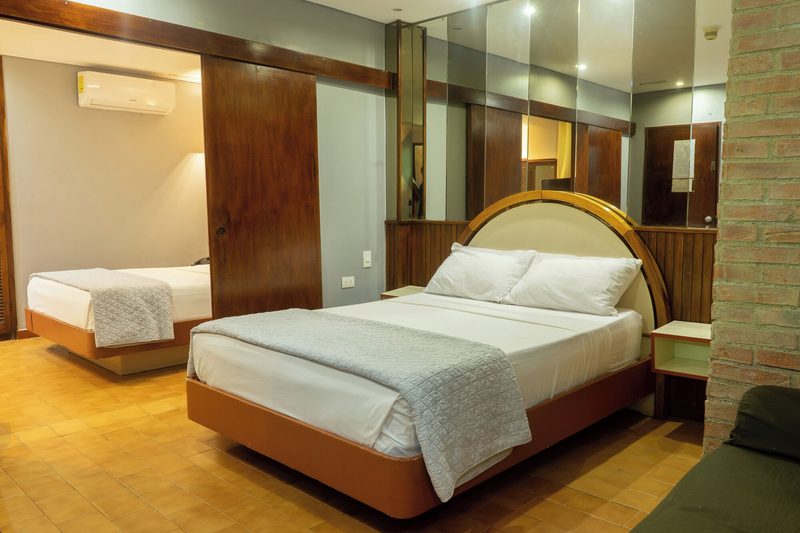
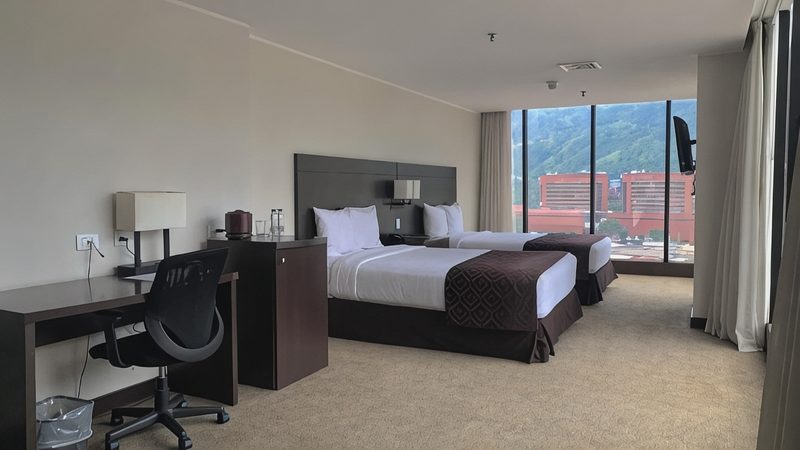
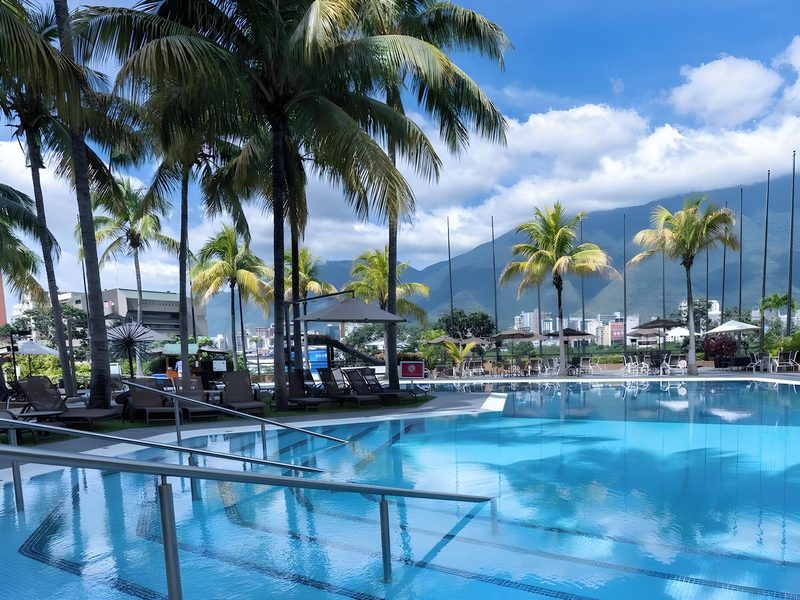
Where to Stay in Caracas in November
Hand-picked hotels across price tiers for November travellers.
Packing Checklist
Bookmark this page — your progress is saved between visits
Need the full list with shopping links?
Climate-specific gear, brand recommendations, and what to leave at home.
View Caracas Packing List →Essential Tips
Insider knowledge and common pitfalls to avoid
Insider Knowledge
Caracas transport system does not work the way most capital cities systems do. The Metro runs but coverage is limited to a few lines. Service reliability has been inconsistent in recent years. Most caraqueños rely on a combination of the Metro where it reaches, informal minibuses called camionetas or busetas that follow fixed routes with no posted schedules, and ride-hailing apps. The apps are your best option as a visitor. They provide door-to-door transport. The driver identity is logged. You avoid the uncertainty of figuring out bus routes in a city where signage is minimal. Pay in cash where possible. Carry small denominations.
Prepare for currency chaos before you land. Venezuela runs a dual economy where the official bolívar has cratered. US dollars now work in most Caracas businesses, Altamira, Las Mercedes, and Chacao. Small vendors still want bolívares. Bring crisp, recent US bills in small denominations. Fives and tens beat hundreds. Worn bills get rejected. Rates shift daily. Check that morning. Do not rely on last week's numbers.
Las Mercedes and Altamira hold the nightlife. Dinner at 9 PM counts as early. The scene wakes near midnight. November brings gaitas season. Bars pivot to Caribbean party music laced with Christmas rhythms. You will not hear this elsewhere in November. Use app transport only. Book ahead. Never walk between venues after dark. Locals follow this rule. Two blocks is too far.
Caracas sits at 900 m (2,953 ft). The elevation hits harder than expected. Drop to Litoral Central beaches and you hit sea level in 30 km (18.6 miles). Heat and humidity slam you immediately. Climb toward Ávila summit and temperatures fall 6°C (11°F) per 1,000 m (3,281 ft). Pack for three climates. City floor. Mountaintop. Coast. All three fit in one day. November swings harder.
Avoid These Mistakes
Walking with your phone out. This mistake ruins more trips than any other. Locals stash phones in interior pockets. They pull them out only inside shops, restaurants, or sealed vehicles. Check your map indoors. Memorize three turns. Pocket the phone. Step outside. This is standard practice. Every caraqueño does this without thinking.
Banking on November beach days. Travelers who anchor their itinerary to coastal trips lose one or two to rain or highway conditions. Treat beaches as bonuses. Keep city backups ready. Swap days based on morning forecasts. The coast delivers when conditions align. Rigid schedules fail in November.
Changing money at the airport. Street changers promise rates that crush app quotes. Airport exchanges bleed you dry. Street deals carry real risk: counterfeit bills, short counts, worse. Use the apps Venezuelans use. Or bring small US bills and pay directly. Skip the street. The margin is not worth it.
Short on time? See day trips around Caracas on GetYourGuide.
Ready to plan your trip to Caracas?
Now that you've got the research covered, here's where to go next.
Explore More Activities in Caracas