
Things to Do in Caracas in January
January weather, activities, events & insider tips
Low Season · Budget Friendly
January Weather in Caracas
Long-run averages for January
80°F (27°C)
High Temp
63°F (17°C)
Low Temp
2.2 inches (56 mm)
Rainfall
82%
Humidity
11
Sunny-Day UV
⚠ The UV index hits 11 in January. Caracas sits at 900 m (2,953 ft). That is extreme. The tropical sun angle plus altitude packs a punch. The air feels comfortable at 27°C (80°F). The radiation does not match. Sunburn and dehydration ambush visitors who trust the mild air. Apply sunscreen. Reapply it. Wear a hat. Drink water constantly. Aggressively. The sun here deceives. Respect it anyway.
Making the most of January in Caracas? Browse tours and activities in Caracas on GetYourGuide.
Is January Right for You?
Weigh the advantages and considerations before booking
Advantages
- + January sits at the center of Caracas's dry season. Just 56 mm (2.2 inches) of rain falls. That is roughly a third of August's deluge. Mornings break clear over the Valle de Caracas. The Waraira Repano ridgeline stays sharp and visible. It does not vanish behind the grey curtain that shrouds the valley from June through November. Hike here. Photograph here. Simply see the mountain that defines this city. January is likely the best month on the calendar.
- + Caracas sits at 900 m (2,953 ft). Temperatures hover at a comfortable 17-27°C (63-80°F). This is not the punishing lowland heat travelers expect from Venezuela. Evenings in Altamira and El Hatillo cool enough for a light jacket. Sleeping without air conditioning is possible. Wet season humidity makes that unthinkable.
- + Dry weather opens Waraira Repano's trail network. Wet months cannot match this access. Paths that turn to mud by July stay firm and navigable now. The teleférico cable car runs more reliably. Afternoon storms are not shutting it down. The coastal highway through the tunnels to La Guaira sees fewer landslide closures. Heavier rains plague it otherwise.
- + January falls between late December's holiday rush and February or March's Carnival chaos. Caraqueños who fled to the coast over Christmas filter back. International visitors tend to be experienced Latin America travelers. They are not tour groups. Sites like the Panteón Nacional and the UCV campus feel less performative. The city moves at its own pace.
Considerations
- − Caracas demands security awareness beyond most Latin American capitals. Petty theft is common in crowded areas. Opportunistic crime rises in certain neighborhoods after dark. Do not wander unfamiliar streets with your phone out. Do not take unmarked taxis. You need a local contact. You need a trusted driver. You need a clear plan for every outing. That overhead is real. It changes the texture of the trip.
- − Infrastructure in Caracas can be unpredictable. The metro system is extensive. It has experienced recurring service interruptions. Power outages still happen. They are less frequent than during the worst crisis years. Water pressure drops in some neighborhoods without warning. None of this is unmanageable. It demands flexibility. Plans will shift on short notice.
- − Getting around Caracas without Spanish is seriously difficult. English is not widely spoken outside a handful of upscale areas. Signage is entirely in Spanish. Transportation, food, and navigation all assume you can communicate. A phrasebook will not cut it here. Functional conversational Spanish is close to essential. Anything beyond the most curated hotel-to-tour-bus experience requires it.
Settled on January? Compare hotel prices in Caracas for your dates on Trip.com.
Best Activities in January
Top things to do during your visit
Waraira Repano Mountain Hiking and Teleférico
The mountain defines Caracas. It rises 2,765 m (9,072 ft). A wall of green fills the northern sky from every neighborhood in the valley. January makes it most accessible. Dry season mornings start cool at 17°C (63°F) in the city. Temperatures drop as you climb. The air thins into something sharper and cleaner. You leave the exhaust haze of the valley floor behind. The Sabas Nieves trail from Altamira is the classic route. It is a steady 90 minute ascent through cloud forest. The canopy drips with bromeliads. The sound of the city fades. Birdsong takes over. Howler monkeys rustle in the branches overhead. January's firm, dry trails make footing reliable. By July, the same paths are slick clay that sends boots sliding. The teleférico from Maripérez carries you to the summit in about 15 minutes when running. Views from the top on a clear January morning stretch past the La Guaira coastline. The Caribbean horizon shows pale, almost white blue water at that distance. Start early. The mountain generates its own cloud cover by early afternoon even in dry season. The light before 9 AM turns the valley into something worth standing still for.
Booking Tip: The teleférico schedule can shift without much notice. Confirm operating hours on the day you plan to go. For hiking trails, arrange a local guide through a licensed operator. This is strongly recommended. Navigation and safety both benefit. Book at least a week in advance. See current options in the booking section below. Morning departures before 7 AM give you the best light. They also give you the coolest temperatures on the trail.
La Guaira Coastal Beach Day Trips
The Caribbean coast sits on the other side of Waraira Repano, connected to Caracas by a highway that tunnels through the mountain and drops you from 900 m (2,953 ft) to sea level in about 40 minutes, when traffic cooperates. January's dry weather means the coastal road is less prone to the landslide closures that plague it during the wet season, and the water along the Litoral Central runs warm and clear, with visibility that makes the rainy months look muddy by comparison. The beaches at Naiguatá and further east toward Los Caracas stretch in long, palm-backed arcs where the sand is coarse and golden-brown, the waves range from gentle to properly rough depending on the wind, and the smell of fried fish and limón hangs thick in the salt air from the informal kitchens that set up under tarps near the shoreline. This is not resort-polished coastline. The infrastructure is basic, the shade comes from what you bring or what you can negotiate, and the facilities are minimal. But the water is warm enough to stay in for an hour without thinking about it, the mountains drop straight into the sea behind you, and on a weekday in January the beach is yours and the local families and not much else. Leave Caracas before 7 AM to beat the traffic through the tunnels. The return drive on a Sunday evening can stretch to three hours for a distance that should take 40 minutes.
Booking Tip: Organized coastal excursions with trusted transport are the safest option for visitors unfamiliar with the route. Book through licensed operators at least five days ahead and confirm that the coastal highway is open before departing, since closures happen even in dry season. Check current group tour options in the booking section below. Bring your own water, sun protection, and a waterproof bag for electronics.
Caracas Arepa and Street Food Walking Experiences
The sound of Caracas eating is the slap of raw masa hitting a flat griddle at six in the morning and the hiss of it forming a golden crust, and in January's cooler evenings that sound carries through the open-front areperas of Sabana Grande and La Candelaria well past midnight. The arepa is the foundation, a grilled or fried corn cake split open and stuffed. But what goes inside is where Caracas reveals its particular genius. Reina pepiada, the cold chicken-and-avocado filling invented in the 1950s, has a creamy tang that cuts through the warmth of the fresh-off-the-griddle shell. Pabellón, the national plate of shredded beef with black beans, shows up inside arepas as a portable breakfast that office workers grab without breaking stride. The cachapas at the street-corner stands in Chacao, thick, sweet corn pancakes folded around a slab of queso de mano so fresh it squeaks against your teeth, are a different thing entirely: sweeter, messier, eaten standing up with the corn-and-cheese steam rising into your face. January's milder temperatures make walking between food stops comfortable instead of the sweat-drenched endurance test it becomes by April, and the evenings in Las Mercedes cool to the point where sitting at an outdoor table with a batido de guanábana feels like the sort of night you remember. The Mercado de Chacao and the older Mercado de Quinta Crespo are where caraqueños buy their produce, their cheese, their fresh-ground coffee. The smell of that coffee, roasted dark the Venezuelan way, is as much a landmark of this city as anything built from concrete.
Booking Tip: Food-focused walking experiences with a local guide are the best way to navigate the arepa landscape safely and with context. Book at least a week ahead through operators who specialize in cultural experiences (see current options in the booking section below). Evening walks through Las Mercedes and Altamira offer the most variety. Bring cash in small denominations. Most street vendors and market stalls do not take cards.
Colonia Tovar Mountain Village Excursion
About two hours west of Caracas by car, climbing from the valley floor to 1,800 m (5,906 ft) in the cloud forest of the Cordillera de la Costa, Colonia Tovar feels like someone cut a Schwarzwald village out of Baden-Württemberg and set it down in the Venezuelan mountains. Founded in 1843 by German immigrants from the Kaiserstuhl region who were promised farmland and delivered jungle, the colony kept its architecture and food traditions more or less intact for over a century. The half-timbered buildings and steep roofs are not a theme park recreation but the actual building style passed down through generations. In January, the air at this altitude runs cool enough for a proper jacket, hovering around 16°C (61°F), and the surrounding cloud forest drips with moisture even in the dry season. Ferns and mosses coat every surface, giving the trails a green density that feels almost excessive. The strawberries grown here are famous across Venezuela: smaller and more intensely flavored than imported ones, and in January they are in peak season. The strawberry-and-cream desserts at the bakeries along the main road are worth the drive alone, the berries tart enough to cut through the sweetness of the cream in a way that makes supermarket strawberries seem like a different fruit entirely. The village market sells locally made sausages, dark bread, and fruit preserves that have more in common with a German Wochenmarkt than anything else in Venezuela. Go on a weekday if you can. Weekend traffic from Caracas backs up severely on the winding mountain road, and the village itself gets crowded enough to lose its atmosphere.
Booking Tip: Day trips with a driver who knows the mountain road are strongly recommended. The route involves steep switchbacks and limited guardrails in places. Book through a licensed tour operator at least five days ahead, and confirm departure times allow for an early start to beat afternoon cloud cover. Current group excursion options are listed in the booking section below. Budget a full day including travel time.
Modernist Architecture and Museum Circuit
Caracas holds one of Latin America's most significant modernist architectural legacies. Yet almost nobody outside Venezuela knows about it. The Universidad Central de Venezuela campus, designed by Carlos Raúl Villanueva and completed through the 1950s, is a UNESCO World Heritage Site where buildings and art merge completely. Alexander Calder mobiles hang in covered walkways. Fernand Léger murals wrap around lecture halls. The Aula Magna concert hall contains Calder's acoustic cloud sculptures, a canopy of floating colored panels that serve as sound diffusers while ranking among the continent's most striking interior installations. January's dry weather and comfortable temperatures make walking the campus a pleasure. The ceiba trees throw dappled shadows across Villanueva's concrete forms. The light at this latitude and elevation is sharp enough to pick out the texture of every exposed-aggregate wall. From the UCV, the cultural corridor along Parque Los Caobos connects the Museo de Bellas Artes, the Museo de Arte Contemporáneo, and the Galería de Arte Nacional. These three institutions together hold the most complete collection of Venezuelan and Latin American art outside Mexico City or São Paulo. The Teresa Carreño Cultural Complex, a massive brutalist performing-arts center named for the Venezuelan piano prodigy, anchors the eastern end of this corridor and typically hosts concerts and theater through January. The walk from one end to the other, with stops, takes about four hours. It is the single best argument for Caracas as a cultural destination.
Booking Tip: A guided cultural walk covering the UCV campus and museum district takes roughly four to five hours at a comfortable pace. Arrange through operators specializing in architectural or cultural tours at least a week in advance (see current options in the booking section below). The UCV campus has access restrictions that a knowledgeable guide can navigate. Morning visits starting before 10 AM avoid the midday heat. They also give the best light for architectural photography.
Where to Stay in Caracas in January
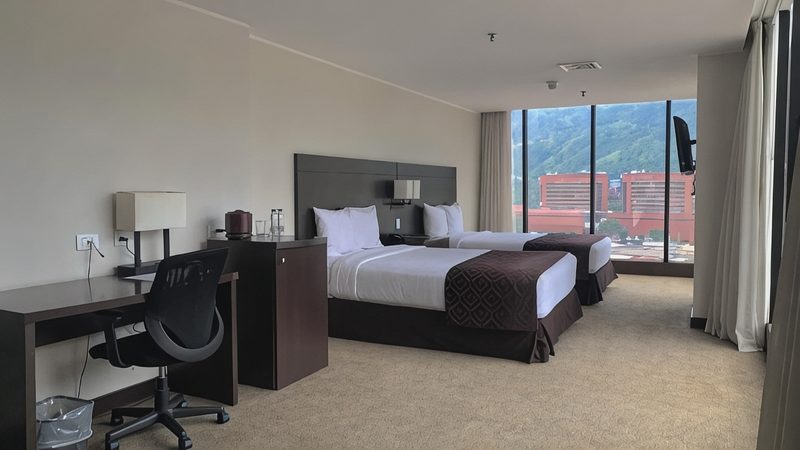
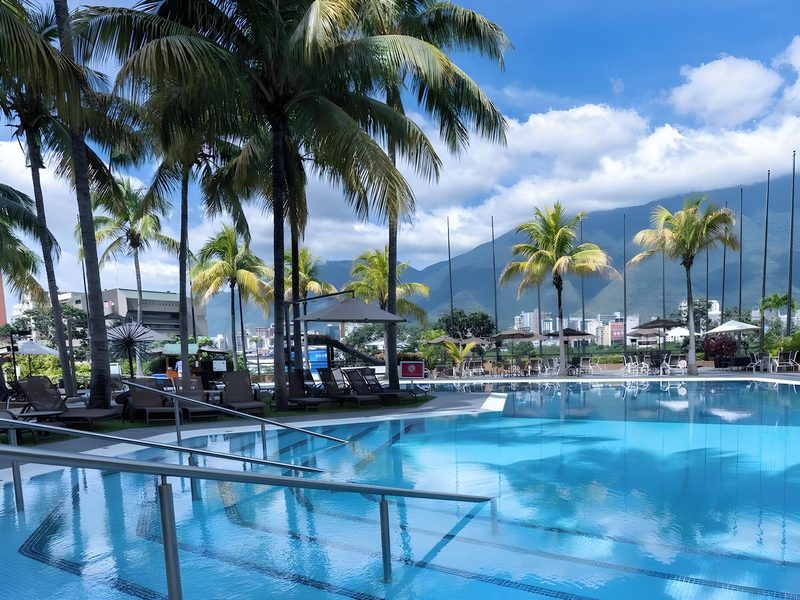
Hand-picked hotels across price tiers for January travellers.
Public Holidays in January
Dates that affect opening hours, transport and crowds
Día de Año Nuevo
Known in English as New Year's Day. Observed nationwide as a public holiday.
Día de Año Nuevo
Known in English as New Year's Day. Observed nationwide as a public holiday.
Packing Checklist
Bookmark this page — your progress is saved between visits
Need the full list with shopping links?
Climate-specific gear, brand recommendations, and what to leave at home.
View Caracas Packing List →Essential Tips
Insider knowledge and common pitfalls to avoid
Insider Knowledge
The US dollar has become the de facto parallel currency in Caracas. Most restaurants, shops, and even taxi drivers in neighborhoods like Altamira, Las Mercedes, and El Rosal quote prices in dollars and prefer dollar payment. The bolívar remains legal tender but fluctuates enough that carrying dollars in small bills gives you both stability and, often, better purchasing power. Mobile payment apps tied to bolívar accounts are how most caraqueños transact day to day. If you are staying longer than a few days, setting one up with local help is worth the effort.
Transportation in Caracas works best through trusted, pre-arranged drivers. The metro covers the central valley but service gaps and overcrowding during peak hours make it unreliable for trip planning. Ride-hailing apps exist but coverage outside the main commercial districts is spotty at best. Your accommodation or a local contact can typically connect you with a driver who charges a flat rate for the day. This is the safest and most practical way to move around the city. It is how caraqueños themselves operate when they have the option.
Caracas after dark concentrates in Las Mercedes and the blocks around Plaza Altamira. Bars and restaurants fill up Thursday through Saturday starting around 9 PM. The energy is real. Live salsa and electronic music bleed out of doorways. Groups crowd the sidewalk tables. The warm smell of grilled meat and rum drifts from open terraces. Stay in these well-trafficked zones. Take pre-arranged transport home. January's cooler evenings make the outdoor terraces along the main Las Mercedes strip pleasant enough to sit for hours. Venezuelan rum has been winning international blind tastings for years. The cocktails are worth sitting down for.
The Parque del Este, officially Parque Generalísimo Francisco de Miranda, is where caraqueños go to breathe. This 82-hectare (203-acre) park was designed by Roberto Burle Marx, the same landscape architect behind Copacabana's wave-pattern promenade in Rio. Joggers, families, and pickup fútbol games fill it by 6:30 AM every morning. In January, the dry-season light catches the park's lake and its resident spectacled caimans in a way that makes for surprisingly strong photography. Go early on a weekday morning. The park belongs to the regulars then. The air still carries the cool of the night.
Avoid These Mistakes
Do not treat Caracas like any other Latin American capital for personal security. The city demands a level of awareness that goes beyond normal urban caution. Displaying expensive electronics on the street, wearing visible jewelry, or wandering into unfamiliar neighborhoods without local guidance are risks that experienced Latin America travelers do not take here. Arrange a local contact or guide before you arrive. Not after you land.
Never assume you can figure out transportation on the fly. Caracas is not a city where you step outside and hail a cab or follow a map app to a bus stop. The street grid is confusing. Many addresses use landmarks instead of street numbers. Public transport schedules are unreliable. Having transport pre-arranged for every outing is not overcautious. It is how caraqueños themselves move around the city when they have the means to choose.
Do not underestimate the sun at 900 m (2,953 ft) elevation. The UV index reaches 11 in January, which is extreme by any standard. The dry air can feel deceptively mild in the morning while the sun is already doing real damage to exposed skin. Travelers from higher latitudes consistently sunburn on their first full day. The temperature feels comfortable enough that they forget to reapply sunscreen. The altitude also means dehydration creeps up faster than you expect. Carry water. Drink before you feel thirsty.
Short on time? See day trips around Caracas on GetYourGuide.
Ready to plan your trip to Caracas?
Now that you've got the research covered, here's where to go next.
Explore More Activities in Caracas