
Things to Do in Caracas in May
May weather, activities, events & insider tips
Low Season · Budget Friendly
May Weather in Caracas
Long-run averages for May
84°F (29°C)
High Temp
70°F (21°C)
Low Temp
2.8 inches (71 mm)
Rainfall
81%
Humidity
13
Sunny-Day UV
⚠ May brings the rainy season. Afternoon thunderstorms build through the month. Downpours flood valley underpasses. They overwhelm storm drains. They turn unpaved hillside roads into mudslides. Schedule outdoor activities for morning hours. Keep flexible indoor plans for afternoons.
⚠ The UV index hits 13 on clear days. That is extreme by international standards. Caracas sits at 900 m (2,953 ft). The elevation intensifies ultraviolet exposure well beyond what moderate air temperature suggests. Unprotected skin burns within twenty to thirty minutes of direct midday sun. The risk compounds across consecutive days of outdoor activity.
⚠ The mountain highway to La Guaira turns dangerous in heavy rain. Wet conditions on the steep, curving road raise accident risk. Landslides close sections without warning. Travellers can get stranded on either side for hours. Plan accordingly.
Making the most of May in Caracas? Browse tours and activities in Caracas on GetYourGuide.
Is May Right for You?
Weigh the advantages and considerations before booking
Advantages
- + May hits Caracas at the seam between dry season and full rains. The Waraira Repano ridge greens up almost overnight. The 2.8 inches (71 mm) of monthly rainfall arrives mostly as sharp afternoon squalls that clear within the hour. Mornings break clear and luminous at the city's 900 m (2,953 ft) elevation before the clouds even begin to build. It is the last month where you can reliably count on dry mornings for outdoor plans.
- + International visitor numbers are negligible. That means the Galería de Arte Nacional, the Aula Magna at the Universidad Central, and the teleférico up El Ávila operate at a fraction of capacity. You will likely share them with caraqueño families rather than tour groups. The pace of every cultural site drops to something approaching contemplative.
- + Cruz de Mayo celebrations bring Afro-Venezuelan tambor drumming, fulía call-and-response singing, and flower-draped wooden crosses to neighbourhoods across the city throughout the month. This is not staged folklore. It is street-level community culture rooted in four centuries of syncretism. The sound of the culo e' puya drums rattling through a barrio at midnight is something no concert hall can replicate.
- + Daytime highs around 29°C (84°F) and evening lows near 21°C (70°F) keep Caracas meaningfully cooler than the Caribbean coast forty minutes north by road. The altitude breeze that fills the valley after sunset makes outdoor dining in Las Mercedes or the El Hatillo plaza comfortable without air conditioning. The coast never offers this.
Considerations
- − Personal safety demands deliberate, constant planning. Certain neighbourhoods are off-limits entirely. The gaps between districts that appear adjacent on a map can cross risky ground. Visible electronics or jewellery invite trouble. You need local guidance, vetted transport between zones, and a level of situational awareness that most travel destinations do not require. This is not a place for spontaneous wandering.
- − Afternoon thunderstorms intensify through the month. The clouds cap the Ávila ridge by 1 PM. By 3 PM the valley floor catches a hard vertical downpour that can flood underpasses, stall traffic, and turn unpaved hillside paths into mudslides. Every outdoor activity needs a morning-first rhythm with a firm indoor fallback by early afternoon.
- − Infrastructure gaps remain part of the daily texture. Power cuts still black out neighbourhoods for hours. Water pressure drops without warning. Mobile data coverage fades in the western valley. ATM access for foreign-issued cards is patchy enough that arriving without sufficient cash is a genuine planning failure. Expect to adapt on the fly.
Settled on May? Compare hotel prices in Caracas for your dates on Trip.com.
Best Activities in May
Top things to do during your visit
Waraira Repano Mountain Trails and Teleférico
The mountain that defines Caracas rises to 2,765 m (9,072 ft) at Pico Naiguatá directly north of the valley. May is likely the best month to climb it. The Sabas Nieves trail on the Altamira side, the most accessible route, threads through cloud forest that is lush and dripping from early rains. The air runs ten degrees cooler than the streets below. It is thick with the smell of wet earth and decaying leaves underfoot. Start before 7 AM. By mid-morning the cloud cap rolls in and visibility drops to a few metres. By early afternoon the thunderstorms that build over the ridge make exposed sections unsafe. On clear mornings, the Caribbean glitters beyond the north face. You can make out the coastal strip of La Guaira far below. The teleférico cable car, when operational, lifts you to the old Hotel Humboldt near the summit where temperatures dip to around 15°C (59°F) even in May. Bring a layer. Check the cable car's status before going. Maintenance closures happen with little public notice.
Booking Tip: Guided group hikes are the safest approach. These should be arranged through licensed local operators at least a week ahead. Solo hiking above the Sabas Nieves saddle is discouraged. See current options in the booking section below.
Choroní and the Henri Pittier Coast
The road from Maracay through Henri Pittier National Park, Venezuela's oldest at 1937, to the cacao town of Choroní is one of the most arresting drives in South America. It is a two-lane ribbon that climbs through cloud forest hung with bromeliads before dropping steeply to the Caribbean. From Caracas the trip runs about three hours by road. May tends to sit in a sweet spot. It is dry enough that the road stays passable. Heavier rains later in the season trigger landslides that close it for days. It is green enough that the canopy is at its thickest. Choroní itself is a colonial settlement of painted facades and cacao-drying patios where the air smells of fermenting beans and wood smoke. The adjacent fishing village of Puerto Colombia fronts Playa Grande, a dark-sand beach where the morning catch comes straight off painted wooden boats onto the sand. The water is warm. The waves are manageable for swimming. Midweek the beach empties out to the point where you can hear the palms over the surf. Mango trees line the approach road. In May the fruit hangs heavy enough to fall on parked cars.
Booking Tip: This works best as an overnight. The drive is too scenic and the road too winding to rush round-trip in a day. Book transport and accommodation through operators who monitor road conditions. Closures strand travellers regularly during the transition into rainy season. See current options in the booking section below.
Historical Caracas Walking Circuit
Colonial Caracas compresses into a few walkable blocks around Plaza Bolívar, where the cathedral, the Concejo Municipal, and the Casa Natal del Libertador, Simón Bolívar's reconstructed birthplace, sit within a five-minute stroll of each other beneath towering ceiba trees that have survived earthquakes. The Panteón Nacional, ten minutes north along Avenida Norte, holds Bolívar's remains under a vaulted ceiling painted in deep ochre and gold. Walk this circuit between 8 and 11 AM, when the light is clear, the heat is still manageable around 25°C (77°F), and the afternoon rain has not yet chased everyone indoors. Then cross the valley to the Ciudad Universitaria de Caracas, Carlos Raúl Villanueva's modernist campus, a UNESCO World Heritage Site since 2000. The Aula Magna concert hall, with Alexander Calder's floating acoustic sculptures suspended from the ceiling like enormous coloured petals, is worth the taxi fare alone. This is a working university, not a museum. The canteen clatter, the students cutting between lecture halls, the chalk dust and coffee-cart smell of an active campus give it life that curated heritage sites cannot touch.
Booking Tip: Walking the historical centre is safest with a knowledgeable local guide who reads current conditions block by block. Group walking tours depart most mornings and should be arranged several days in advance through reputable operators. See current options in the booking section below.
Venezuelan Arepa and Street Food Routes
Caracas is where modern arepa culture was born, and May's warm but not punishing mornings are good for working through the city's defining food on foot. The arepa itself is not a single dish but a vocabulary. Reina pepiada, shredded chicken folded with avocado, creamy and cool against the warm griddled corn shell, dates to the 1950s and was named for a Venezuelan beauty queen. Dominó layers black beans against salty white cheese, the simplest version and somehow the one most people come back to. Pelúa shreds slow-cooked beef into strings that meld with melted yellow cheese, the edges of the corn pocket charred just enough to smell smoky from a metre away. The neighbourhood areperas that matter have plastic chairs, a queue by 7 AM, and a plancha sound like a hissing rain on hot pavement. La Candelaria, the old Spanish quarter south of Sabana Grande, adds empanadas de cazón, dogfish turnovers where the shell shatters at first bite into flaky shards, to the rotation. Mercado de Chacao operates every morning as a proper produce market where May's peak mango season stacks the counters with fruit so ripe the perfume hits you from the entrance.
Booking Tip: Food-focused walking tours typically run in the mornings and cover three to four hours at a relaxed pace. Look for operators who visit working markets and neighbourhood spots rather than restaurant circuits. See current options in the booking section below.
El Hatillo Colonial Hill Village
Perched on a hillside at Caracas's southeastern edge, El Hatillo operates as the city's pressure-release valve, a colonial village of whitewashed houses with terracotta roofs, narrow cobbled streets, and a church square where old men play dominoes under a massive fig tree. May's early rains turn the surrounding hills a dense, almost tropical green that makes the approach drive worth the trip before you even arrive. Weekdays thin the crowds to almost nothing. The artisan chocolate makers here work with cacao sourced from the Barlovento coast and the Choroní valley, and a proper tasting, raw nibs first, bitter and tannic with a long finish, then the finished dark bars with their distinctive fruit-forward acidity, is a genuine education in why Venezuelan cacao commands the prices it does on international markets. The village plaza fills on weekend evenings with families, buskers, and food stalls serving cachapas, thick corn pancakes folded around soft queso de mano, the cheese stretching in warm threads as you pull them apart. Temperatures here sit a couple of degrees below the valley floor. The evening air carries the faint sweetness of flowering gardens and charcoal smoke.
Booking Tip: Reachable by car or arranged taxi in thirty to forty-five minutes from eastern Caracas. Weekday mornings offer the quietest experience. No booking needed for the village itself. But arrange secure round-trip transport through your accommodation. See current options in the booking section below.
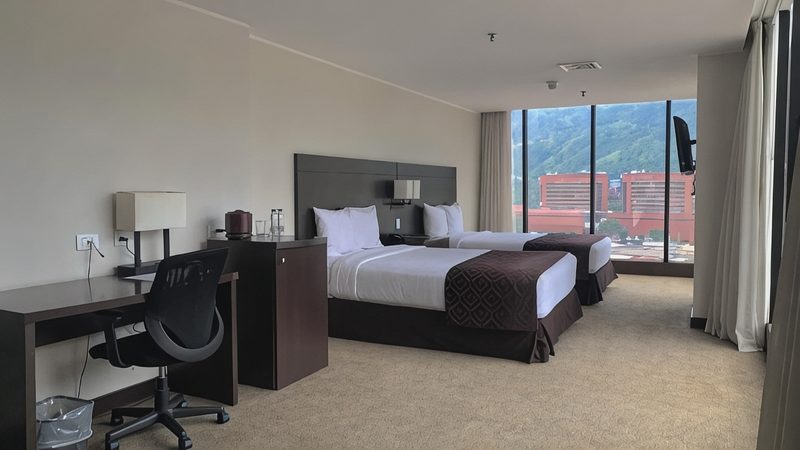
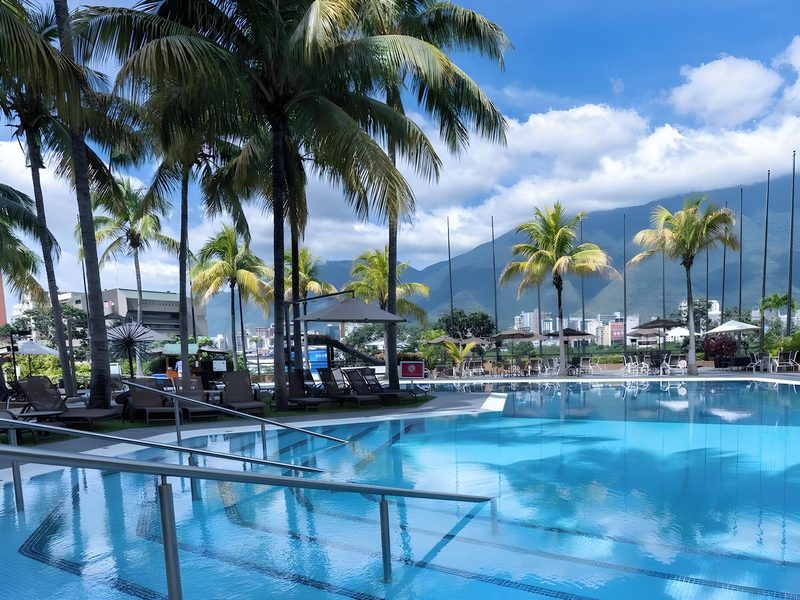
Where to Stay in Caracas in May
Hand-picked hotels across price tiers for May travellers.
Public Holidays in May
Dates that affect opening hours, transport and crowds
Día del Trabajador
Known in English as Labour Day. Observed nationwide as a public holiday.
Día del Trabajador
Known in English as Labour Day. Observed nationwide as a public holiday.
Packing Checklist
Bookmark this page — your progress is saved between visits
Need the full list with shopping links?
Climate-specific gear, brand recommendations, and what to leave at home.
View Caracas Packing List →Essential Tips
Insider knowledge and common pitfalls to avoid
Insider Knowledge
Learn to read the Ávila ridge like caraqueños do. When the clouds start capping the summit around midday, you have roughly forty-five minutes before rain hits the valley floor. That mountain is more reliable than any weather app operating in this city. Locals time their errands, walks, and outdoor plans by its mood without thinking twice about it.
Take the Metro de Caracas. Line 1 from Propatria to Palo Verde is the fastest and often safest way to cross the central valley. The air-conditioned cars provide genuine relief from the street heat and move you across distances that would take an hour in traffic. It runs from early morning to around 9 PM. Avoid peak commute hours when the density makes you vulnerable to pickpockets. Keep your phone out of sight on the platform.
May is the heart of mango season. The difference between a juice-stand mango in Caracas and anything you have tasted in a temperate country is not subtle. Ask for jugo de mango sin azúcar, without sugar. The Zulia and Aragua valley mangoes are sweet enough that sugar buries their flavour. Every juice stand with loose fruit stacked on the counter rather than a laminated menu is the one worth stopping at.
If you want to experience Cruz de Mayo drumming, ask staff at your accommodation to connect you with someone from a neighbourhood that celebrates. These velorios are genuine community events, not ticketed performances, and arriving as an unintroduced foreigner can feel awkward for everyone. A personal introduction changes the dynamic completely. You go from spectator to guest, and the difference is everything.
Avoid These Mistakes
Never walk between neighbourhoods that look adjacent on the map without understanding what lies between them. Caracas's topography and social geography mean that a fifteen-minute walk on screen can cross ground where a foreigner on foot draws the wrong kind of attention. Use secure, pre-arranged transport between districts every time, even when the distance feels absurd to drive.
Do not drive to the La Guaira coast on Sunday afternoon and try to return before dark. The highway back through the mountain tunnels backs up for hours. Bumper-to-bumper in a poorly lit tunnel with no phone signal and uncertain fuel options is exactly the kind of stress Caracas punishes you for not anticipating. Go midweek, or commit to returning before noon on weekends.
Never underestimate altitude UV because the temperature feels moderate. At 29°C (84°F) nothing about the air screams danger, so travellers skip sunscreen and discover by evening that they have burned badly. The UV index reaches 13 on clear days, classified as extreme, and the burn compounds across consecutive mornings spent on the Ávila trails or walking the historical centre without adequate coverage.
Short on time? See day trips around Caracas on GetYourGuide.
Ready to plan your trip to Caracas?
Now that you've got the research covered, here's where to go next.
Explore More Activities in Caracas