
Things to Do in Caracas in February
February weather, activities, events & insider tips
Low Season · Budget Friendly
February Weather in Caracas
Long-run averages for February
81°F (27°C)
High Temp
63°F (17°C)
Low Temp
1.7 inches (43 mm)
Rainfall
80%
Humidity
12
Sunny-Day UV
⚠ Tropical-latitude sun at 900 m (2,953 ft) valley elevation produces intense UV exposure that catches visitors off guard. Unprotected skin can burn within 30 minutes of midday exposure, and the mountain breeze masks how strong the sun is working on you. Reapply sunscreen aggressively. Wear a hat during any extended outdoor time.
⚠ The Autopista Caracas-La Guaira connecting the airport on the coast to the city passes through mountain tunnels and exposed hillside stretches that can develop fog or reduced visibility on early morning and late evening crossings. Allow extra time for airport transfers. Do not rush the drive.
Making the most of February in Caracas? Browse tours and activities in Caracas on GetYourGuide.
Is February Right for You?
Weigh the advantages and considerations before booking
Advantages
- + February lands in Caracas's dry season. Rainfall drops to just 43 mm (1.7 inches), roughly a third of what October dumps on the valley. Most days break clear over Waraira Repano. The mountain views from the city floor stay sharp and haze-free in a way the wet months simply cannot match.
- + Carnival 2027 falls on February 8 and 9. The city's Afro-Venezuelan tambor drumming traditions, comparsa parades, and neighbourhood street parties make this the single most electric week of the year. The energy builds from the Saturday before. Rehearsals and warm-up events fill plazas across Chacao and the Centro Historico.
- + Daytime temperatures hold around 27 degrees C (81 degrees F). They drop to a comfortable 17 degrees C (63 degrees F) after dark. Warm enough for short sleeves. Never the suffocating wet-season heat that turns a simple walk into an endurance test. Caracas's valley elevation of roughly 900 m (2,953 ft) does the work that air conditioning does elsewhere in the Caribbean basin.
- + International tourism to Caracas stays thin in February. Trails on Waraira Repano, seats at the Teatro Teresa Carreno, and tables at the long-established tascas of La Candelaria are shared with caraquenos rather than tour groups. You get a window into how the city functions. Not a curated tourist version of it.
Considerations
- − Personal security requires genuine forethought. Not panic. The kind of deliberate planning you would bring to any large South American capital with well-documented safety challenges. Pre-arranged transport, minimal visible electronics, and local guidance in unfamiliar neighbourhoods are non-negotiable rather than optional.
- − Infrastructure is unpredictable. Power and water interruptions still happen. The mountain highway connecting the airport on the coast to the city occasionally slows to a standstill. Services that existed last month may have changed without announcement. Flexibility is a requirement, not a bonus.
- − English is uncommon outside upscale pockets of Altamira and Las Mercedes. Even basic Spanish changes the experience dramatically. Without it, you will depend heavily on translation apps. Negotiating transport or ordering food becomes a slower, more friction-filled process than most travelers expect.
Settled on February? Compare hotel prices in Caracas for your dates on Trip.com.
Best Activities in February
Top things to do during your visit
Waraira Repano Mountain Hikes and Teleferico Rides
The mountain wall that defines Caracas's northern skyline, Waraira Repano, still called El Avila by most locals, rises above 2,600 m (8,530 ft). In February it tends to offer the clearest visibility of the year. Dry-season air strips away the haze that smothers the valley from June onward. Above 2,000 m (6,562 ft) you can see the Caribbean shimmering to the north and the entire city grid spreading south. The Sabas Nieves trail from Altamira is the most popular route. Roughly two hours up through cloud forest where the rustle of guacharaca birds and the sharp green smell of wet eucalyptus hang in the canopy even in the dry months. Morning starts before 7 AM beat the midday sun. They catch the mountain before afternoon thermals build cumulus that blocks the views. The Teleferico cable car, when operating, shortcuts the climb. It drops you at a high-altitude station where the temperature runs 8 to 10 degrees C (14 to 18 degrees F) cooler than the valley floor. Bring a layer. February's dry footing and comfortable temperatures make this the most reliable month for the mountain.
Booking Tip: Book guided group hikes at least a week ahead. Use licensed outdoor operators who know the less-trafficked routes and add a real safety margin. The Teleferico schedule can shift without notice. Confirm morning-of with your accommodation. See current options in the booking section below.
Litoral Central Caribbean Coast Day Trips
The Caribbean coastline sits just 30 to 40 minutes north of Caracas by road. It is separated by the mountain spine of Waraira Repano. February is the month those beaches earn their reputation. The water runs calm and warm. Trade winds keep the humidity bearable. The fishing settlements along the Litoral Central, from Macuto's salt-stained boardwalk to the wilder stretches past Naiguata, feel like a different country from the valley city on the other side of the tunnel. The sand is coarse and dark, volcanic in origin, hot enough by midday to feel through sandals. The fried-fish shacks lining the coastal road fill the air with the crackle of sizzling corvina and the sharp bite of garlic mojo. The shade under the palm groves is the real kind. Not decorative landscaping. February's dry weather means the mountain highway stays clear of the landslide risk that makes the October to November rainy season a genuine concern for this route. Go early. By mid-morning the parking areas near the most popular stretches fill up with caraqueno families escaping the valley for the weekend.
Booking Tip: Arrange transport through your accommodation or a licensed transfer service. Do not navigate the mountain road independently, if it is your first time. The drive through the tunnel and down to the coast is dramatic. It demands confidence behind the wheel. See current day-trip options in the booking section below.
La Candelaria and Centro Historico Food Walking Tours
La Candelaria sits where the centro meets Sabana Grande. This Spanish-immigrant quarter holds Caracas' deepest food identity. February's dry sidewalks and tolerable afternoon warmth make walking its grid of tascas and areperas pleasant. By June, the same walk becomes a sweaty slog. The neighbourhood smells like cured ham and sauteed onions by 11 AM. The tascas, Spanish-style taverns that have been here since the mid-twentieth century or earlier, start pulling espresso and plating tortilla espanola before the lunch crowds arrive. This is cachapa territory. The thick sweet-corn pancake folds around a slab of queso de mano so soft it drapes over the edge. It is served at standing counters where the batter sizzles loud enough on the plancha to hear from the street. Empanadas here get fried in oil that crackles the moment they hit it. The cornmeal shell goes from pale to deep gold in under a minute. That hot corn dough smell is essentially the scent of Caracas itself. Bring an appetite. Bring comfortable shoes. A proper food walk through La Candelaria covers more ground than you expect.
Booking Tip: Group food walks with a local guide who knows which counters and back-street stands to hit should be booked five to seven days ahead. A guide here is less about navigation and more about access. They open doors walk-ins miss. See current food tour options in the booking section below.
Caracas Carnival Street Parades and Tambor Sessions
These are the Monday and Tuesday before Ash Wednesday. Caracas starts warming up the weekend before. Comparsa groups rehearse in plazas across Chacao, Petare, and the centro. The sound registers first. The repique of tambor drums bounces off concrete apartment blocks, layered over brass and the shouts of dancers in sequined costumes and feathered headpieces. They move down closed streets in a density of bodies that makes walking feel like swimming. They trace directly to the drumming cultures of Barlovento, east of the city. Hearing a full tambor ensemble in the open air is a physical experience. The bass drum vibrates in your chest from thirty metres away. By Monday morning, entire blocks close to traffic. The energy shifts from rehearsal to something uncontainable. Face paint. Water balloons. Foam spray. The sweet fermented smell of chicha being sold from carts at every corner. Expect to get wet. Probably sprayed with foam. Almost certainly pulled into a line of dancers whether you planned on it or not.
Booking Tip: No booking needed for the street celebrations. Show up in clothes you can sacrifice to foam and water. For organized Carnival cultural experiences with context on the Afro-Venezuelan traditions, check the booking section below at least two weeks before the event.
Bellas Artes Cultural District and Teatro Teresa Carreno
The cluster of museums, galleries, and performance halls around the Bellas Artes metro station forms one of Latin America's densest cultural quarters. February, dry and warm and walkable, is the right month to spend a full day moving between them on foot. The Museo de Bellas Artes houses Venezuelan painting from the colonial period forward. The Galeria de Arte Nacional next door holds Armando Reveron's light-drenched Macuto canvases. These works feel uncannily like the coastal glare you experience if you take the beach day trip north. The Teatro Teresa Carreno, one of South America's largest performing-arts complexes, typically runs its season through February with orchestral programmes, ballet, and contemporary dance. The Brutalist concrete architecture of the complex itself is massive, unapologetic, stained by decades of tropical rain into tones of grey and rust. It is worth the walk even if nothing happens to be on. The Plaza de los Museos between the buildings collects shade-seekers by midday. The hum of conversation mixed with the clatter of skateboarders gives the area a lived-in quality that most museum districts lack.
Booking Tip: Check performance schedules at the Teresa Carreno at least two weeks out. Seats for the better productions move quickly, during Carnival week when the cultural calendar runs full. See current cultural tour options in the booking section below.
El Hatillo Colonial Village Day Trip
El Hatillo sits technically within greater Caracas. It is perched in the cooler hills southeast of the valley floor at around 1,170 m (3,839 ft). It has the feel of a colonial village that got absorbed by the suburbs without losing its centre. The main plaza is small, shaded by mature trees, ringed by painted houses with terracotta roofs. In February the dry mountain air carries the smell of roasting coffee from the cafes that front it with a clarity the humid months blur. The colonial architecture dates to the eighteenth century. The narrow streets radiating off the square hold galleries, craft workshops, and restaurants that have been feeding caraquenos on weekend escapes for decades. The temperature here tends to run a few degrees cooler than central Caracas. In February this means comfortable walking weather straight through the afternoon without the midday wilt that flattens you in the lower valley. Combine the visit with a late lunch. The restaurants skew toward traditional Venezuelan cooking with slightly more care than the city-centre spots. The pace is slow enough that you might find yourself staying longer than planned.
Booking Tip: El Hatillo is easiest to reach by ride-hailing app or pre-arranged transport. The trip takes about 30 to 40 minutes from central Caracas depending on traffic, which on weekends can be heavier than you expect. See day-trip options in the booking section below.
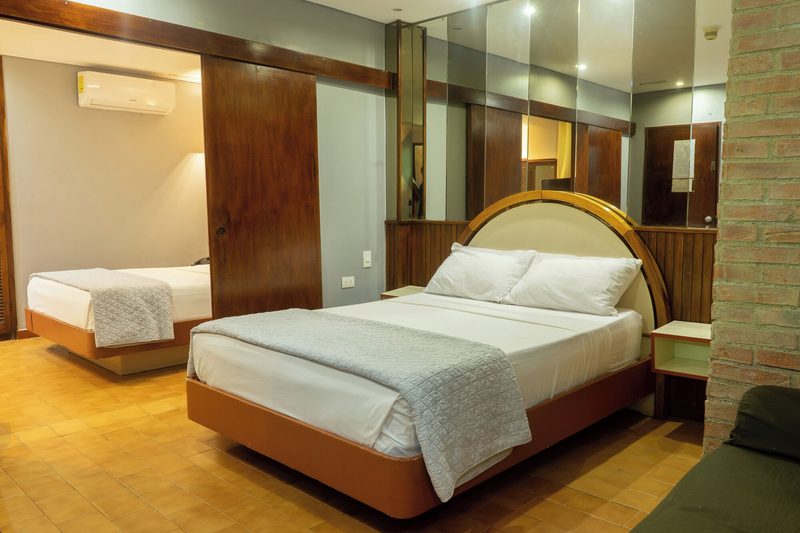
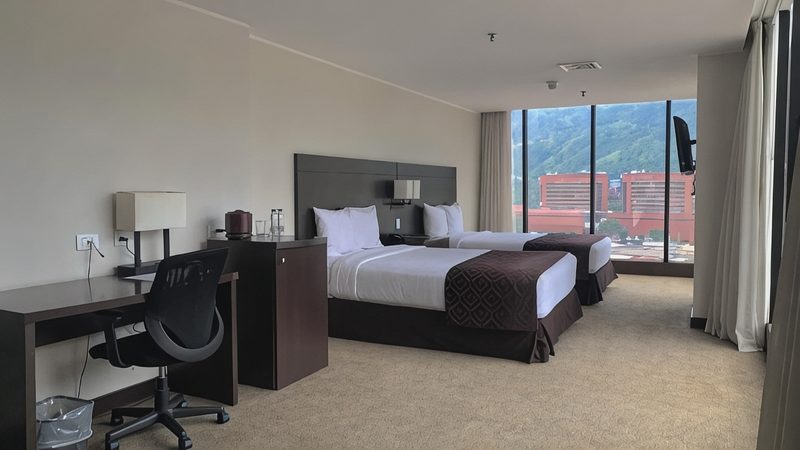
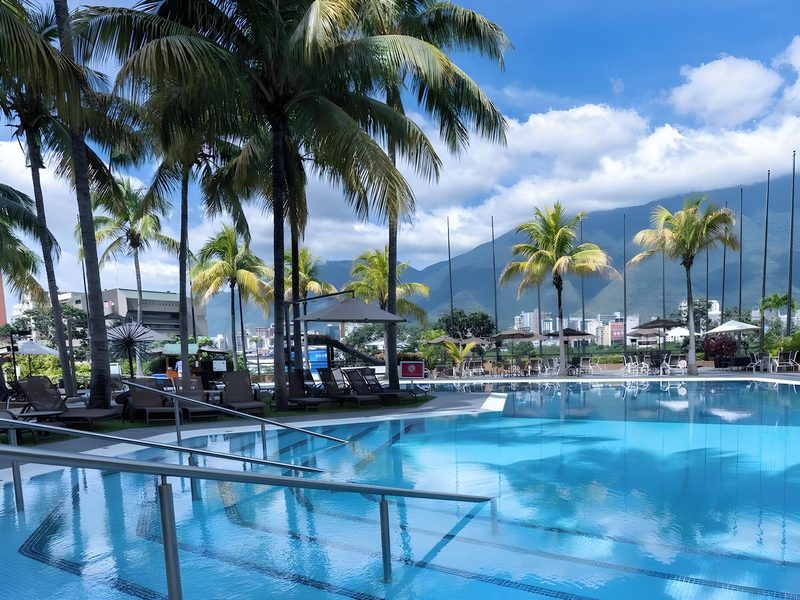
Where to Stay in Caracas in February
Hand-picked hotels across price tiers for February travellers.
Public Holidays in February
Dates that affect opening hours, transport and crowds
Carnaval
Known in English as Carnival. Observed nationwide as a public holiday.
Carnaval
Known in English as Carnival. Observed nationwide as a public holiday.
Carnaval
Known in English as Carnival. Observed nationwide as a public holiday.
Carnaval
Known in English as Carnival. Observed nationwide as a public holiday.
Packing Checklist
Bookmark this page — your progress is saved between visits
Need the full list with shopping links?
Climate-specific gear, brand recommendations, and what to leave at home.
View Caracas Packing List →Essential Tips
Insider knowledge and common pitfalls to avoid
Insider Knowledge
The Teleferico cable car up Waraira Repano operates on a schedule that changes with little announcement. Check with your accommodation the morning you plan to go rather than assuming yesterday's hours still hold. When the system is running, the first car up tends to give you the mountain nearly to yourself, and the light at that hour is the best for photographs north toward the Caribbean. Go early.
Caracas's metro covers the main east-west corridor efficiently and caraquenos use it as routine transport. It is the fastest way between Altamira, Chacao, Bellas Artes, and the centro. Ride during daylight hours. Keep electronics out of sight. For evenings, the restaurant and bar concentrations around Las Mercedes and the Trasnocho Cultural complex offer a walkable nightlife zone once you arrive. Get there and home again by ride-hailing app rather than walking between neighbourhoods after dark. Use apps.
The best arepas in the city are almost never in restaurants. They are at small-scale areperas that open before dawn and close by mid-morning, when the first batch of fresh masa is gone. Ask your host or hotel staff which arepera they personally go to. The answer will be hyperlocal, probably within three blocks of where you are staying, and almost always the right call. The warm, toasted-corn smell of a fresh arepa off the plancha is the sound of Caracas waking up. Wake up early.
If you want Carnival's energy without the full-contact chaos of the Monday parades, attend the comparsa rehearsals in neighbourhood plazas the Saturday and Sunday before. The tambor drumming is just as powerful, the crowds are thinner, and the musicians are often willing to talk between sets about the Barlovento traditions that run through every beat. It is a more textured experience than the main event, and drier. The foam spraying has not started yet. Stay dry.
Avoid These Mistakes
Arriving without a pre-arranged airport transfer. The drive from Simon Bolivar International Airport on the coast to Caracas crosses a mountain highway through tunnels and switchbacks that is disorienting at night and confusing without local knowledge. Arrange your pickup before you land, not in the arrivals hall. This single decision sets the tone for your entire trip. Book ahead.
Treat Caracas like a walkable European city after dark. The city rewards exploration on foot during daylight in established neighbourhoods like Altamira, Chacao, Las Mercedes, and El Hatillo. After sunset, switch to ride-hailing apps or pre-arranged transport. Ask locally about which specific blocks are comfortable at night. The answers are granular and neighbourhood-specific, not city-wide.
Pack only for the beach and you will underestimate the valley elevation. At 900 m (2,953 ft), Caracas evenings are noticeably cool at 17 degrees C (63 degrees F), and mountain excursions above 2,000 m (6,562 ft) run cooler still. The coast is a separate climate entirely, Caribbean-hot and humid. Pack layers for both. Otherwise you will spend your first evening buying a jacket you did not think you needed.
Short on time? See day trips around Caracas on GetYourGuide.
Ready to plan your trip to Caracas?
Now that you've got the research covered, here's where to go next.
Explore More Activities in Caracas