Things to Do in Caracas in April
April weather, activities, events & insider tips
Low Season · Budget Friendly
April Weather in Caracas
Long-run averages for April
84°F (29°C)
High Temp
68°F (20°C)
Low Temp
1.9 inches (48 mm)
Rainfall
83%
Humidity
14
Sunny-Day UV
⚠ Extreme equatorial UV hits hard at 900 m (2,953 ft). Sunburn comes fast and severe during midday, even on overcast days when clouds feel deceptively cool. Limit direct sun between 10 AM and 3 PM. Reapply sunscreen after sweating.
⚠ April shifts from dry to wet season. Sudden, intense afternoon downpours follow. Streets flood temporarily. Older neighborhoods see overwhelmed drainage. Carry your rain jacket in the afternoon. Avoid walking through pooled water, which hides open drains and uneven pavement.
Making the most of April in Caracas? Browse tours and activities in Caracas on GetYourGuide.
Is April Right for You?
Weigh the advantages and considerations before booking
Advantages
- + April closes out Caracas's dry season with just 1.9 inches (48 mm) of rain. Compare that to the 4 to 5 inches (100 to 130 mm) that hammer the city monthly from June through November. Outdoor plans hold up. Mornings stay clear over the valley. The scattered afternoon showers that do arrive are brief cooling bursts. They make evenings pleasant for walking.
- + The first transition rains spark green across Waraira Repano's slopes after months of brown. Hiking trails that felt sun-scorched in February now carry fresh shade from canopy regrowth. Mountain views from the city gain rare contrast. Cloud-draped green ridelines sit against equatorial blue sky. Photographers will notice richer light and color than in the bleached-out months.
- + April 19 commemorates the 1810 uprising that ignited Venezuelan independence. Caracas treats the date with genuine civic weight. Ceremonies, cultural programming, and patriotic gatherings concentrate around Plaza Bolivar and the Panteon Nacional. They offer a window into Venezuelan identity. No museum exhibit quite replicates this.
- + Tourism pressure in Caracas stays low year-round by international standards. April falls after the modest domestic peaks of Carnival and Semana Santa. Major museums, mountain trails, and cultural institutions feel uncrowded. Accommodation availability tends to be comfortable. No advance scrambling required.
Considerations
- − Security in Caracas demands genuine preparation. Maintain situational awareness throughout your stay. Petty crime is common in tourist-adjacent areas. More serious incidents happen often enough that dismissing them would be irresponsible. Plan routes. Move with purpose. Use only vetted transportation. Keep valuables invisible. This is not a city for aimless wandering while staring at a phone screen.
- − Humidity averaging 83% combines with trapped-basin geography to make afternoons feel sticky and heavy. This hits hardest at lower elevations. Warm air pools between the mountain walls. By 2 PM the moisture sits on your skin like a film. Sensitive to humid heat? Plan midday hours indoors. Schedule outdoor activity for mornings.
- − English rarely appears outside high-end hotels and a handful of restaurants in Las Mercedes and Altamira. Navigating transport, markets, and residential neighborhoods requires at least working Spanish. Without it, you lose depth in every interaction. Practical logistics get significantly harder.
Settled on April? Compare hotel prices in Caracas for your dates on Trip.com.
Best Activities in April
Top things to do during your visit
Waraira Repano Mountain Hiking and Cable Car
The mountain defining Caracas's northern skyline rises to 2,765 m (9,072 ft) at Pico Naiguata. April is arguably the best month to hike it. The dry season kept trails firm and navigable. First transition showers laid the dust and pushed green shoots through the forest floor. Mornings start cool at higher elevations. Expect roughly 16°C (61°F) near the Teleferico summit station around 2,100 m (6,890 ft). Crisp air smells of wet earth and eucalyptus after overnight drizzle. Clear days open ridgeline views north to the Caribbean coast and south across the entire Caracas valley. The city sprawls below in every direction. The cable car ride alone is worth the trip. It swings up through cloud forest canopy. Listen for the guttural call of howler monkeys in the trees below. Start before 8 AM. The mountain builds cloud cover by midday. By early afternoon visibility can drop to nothing.
Booking Tip: The Teleferico schedule shifts with limited notice. Confirm current operating hours before heading up. For hiking, book a guided group through a licensed operator at least a week ahead. Solo hiking is possible on popular trails. It is not advisable for first-time visitors unfamiliar with the terrain and local security dynamics. See current guided options in the booking section below.
Caribbean Coast Beach Excursions from Caracas
Caracas sits in a mountain valley just 30 km (18.6 miles) from the Caribbean. The run down to the Litoral Central coast is one of South America's great geographic surprises. You leave the valley through a tunnel. You drop through cloud forest switchbacks. Within 40 minutes you stand on sand with warm turquoise water ahead. The smell of salt and charcoal-grilled fish drifts from shoreline vendors. April's relatively low rainfall means calmer seas and better underwater visibility than the wet months. Coastal towns of Macuto, Naiguata, and Camuri carry a languid, local character. More developed Caribbean islands lost this decades ago. The catch is the highway itself. Weekends and holidays back it up to a crawl. A 40-minute drive stretches to two hours of exhaust fumes and brake lights in the tunnel. Go on a weekday. Depart Caracas before 7 AM. You will find stretches of beach that feel practically private.
Booking Tip: Organized day trips handle mountain highway transport logistics. They tend to include stops at less accessible beaches farther along the coast. Book three to five days ahead through operators who provide round-trip transfers from Caracas. Driving independently? Confirm road conditions before departure, after heavy rain. Current coastal tour options appear in the booking widget below.
Los Roques Archipelago Day Trip or Overnight
Los Roques is a national park of coral cays and sandbars scattered across 40 km (25 miles) of Caribbean water so clear it looks digitally rendered. The short flight from Maiquetia airport drops you into Gran Roque, a village of painted houses and sandy streets where the loudest sound is pelicans smacking the surface after a dive. April's calm seas and minimal rainfall make it one of the best months for snorkeling over shallow reefs, wading across exposed sandbars between cays, and watching the water grade from milky turquoise to deep indigo where the shelf drops off. The archipelago has no cars, no high-rises, and no resort infrastructure in any conventional sense. What it has is some of the most pristine marine habitat left anywhere in the Caribbean, the taste of fresh-caught lobster grilled over driftwood on a sandbar, and the kind of quiet that makes the honking, diesel-scented chaos of Caracas feel like a different country entirely. A day trip is technically possible but rushed. Two nights lets you absorb the pace.
Booking Tip: Flights to Los Roques book up, for weekend departures, so secure seats at least two weeks ahead. Package deals bundling flights with posada accommodation are the standard format and tend to offer better value than assembling the trip yourself. Confirm that your package includes park entrance fees and inter-cay boat transfers before committing. See available packages in the booking section below.
Historic Caracas Walking Tour
The old center of Caracas sits in a tight grid around Plaza Bolivar, where the cathedral's stone facade has absorbed two centuries of tropical humidity and the Panteon Nacional holds Simon Bolivar's remains beneath a painted ceiling that stops you mid-stride. In April, the historic quarter feels quieter than during Carnival or the December holidays, and the morning light between 7 and 10 AM hits the colonial facades at angles that give crumbling plasterwork a warm amber tone. Walk from the Capitolio metro station through the Casa Natal del Libertador, Bolivar's birthplace, then east past the Museo Sacro to the cathedral. The Concejo Municipal building anchors the plaza with its long colonnaded front. The texture of the walk is in the details: the sharp, sweet scent of Venezuelan coffee from corner kiosks, the sound of evangelical preachers competing with a guitarist across the plaza, heavy wooden doors of colonial houses half-open to tiled courtyards you can glimpse but not enter. Do this in the morning. By midday the humidity and security dynamics both argue for shifting to other neighborhoods.
Booking Tip: Guided walking tours of the historic center are the recommended format for first-time visitors, both for the contextual knowledge and the added security of a local guide who reads the street dynamics. Book at least three days ahead. Groups of four to eight tend to move at the right pace for the narrow streets. Check current walking tour availability in the booking section below.
Venezuelan Cacao and Chocolate Tasting
Venezuela produces some of the most sought-after cacao beans on earth, and Caracas is the place to understand why firsthand. The Chuao and Barlovento growing regions supply criollo and trinitario beans with a complexity that European chocolatiers pay serious premiums for, and in Caracas you can trace that chain from raw fermented nibs to finished bars. The scent of roasting cacao beans is unmistakable, rich and faintly acidic, entirely different from the processed chocolate smell most people carry in their heads. Tasting sessions walk you through the bitterness of unprocessed criollo cacao, the funky fermentation tang of the nibs, and the clean, smooth finish of a well-tempered 70% bar. If your schedule allows a full day, the cacao-growing areas around Choroni, roughly 2.5 hours west of Caracas through winding mountain roads that climb over 1,200 m (3,937 ft) passes, let you see the trees themselves. The football-shaped pods grow directly from the trunks in a way that looks improbable until you are standing in front of one, cracking it open to the sweet-sour white pulp inside.
Booking Tip: Chocolate-focused experiences range from city-based tastings that run two to three hours to full-day excursions to cacao plantations near Choroni. Plantation trips require a full day due to mountain travel time, so plan accordingly. Book plantation visits at least a week ahead, as group sizes are small and fill fast. Current chocolate tour options appear in the booking widget below.
El Hatillo Colonial Village and Food Scene
El Hatillo sits in the southern hills of the Caracas metropolitan area, a colonial village that has preserved its central plaza, painted facades, and unhurried pace while the city grew up around it. The walk from the plaza through surrounding streets passes craft workshops, small galleries, and open-air restaurants where the specialty is cachapas, thick sweet corn pancakes folded around a slab of queso de mano, the hand-stretched white cheese that squeaks against your teeth and melts into the warm corn. April afternoons in El Hatillo tend to run a degree or two cooler than the valley floor below, and when the afternoon shower arrives you duck into a cafe and wait it out with a strong cortadito and a plate of tequeños, those fried cheese-filled dough sticks that function as the national appetizer. The village is a genuine counterpoint to the density and noise of central Caracas, the kind of place where lunch stretches to two hours and nobody looks at the clock. Plan at least half a day.
Booking Tip: El Hatillo is accessible by taxi or ride-hailing app from most of eastern Caracas, making it easy to visit independently without an organized tour. For a more structured experience that pairs El Hatillo with other southern Caracas stops, half-day guided tours are available. See the booking section below for current options.
Where to Stay in Caracas in April
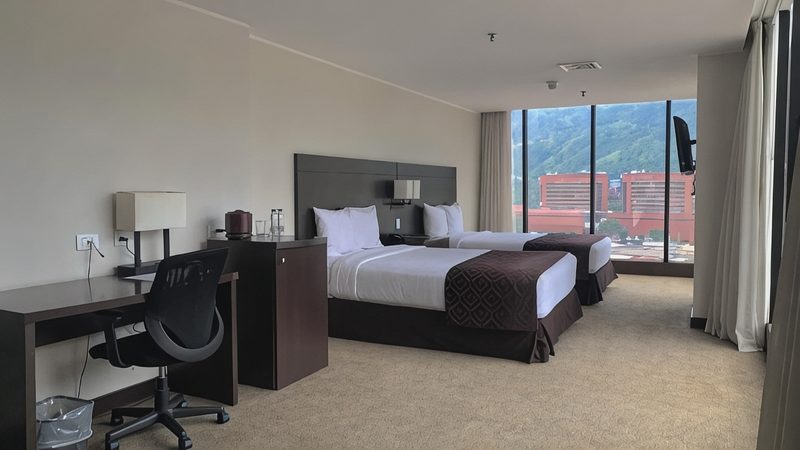
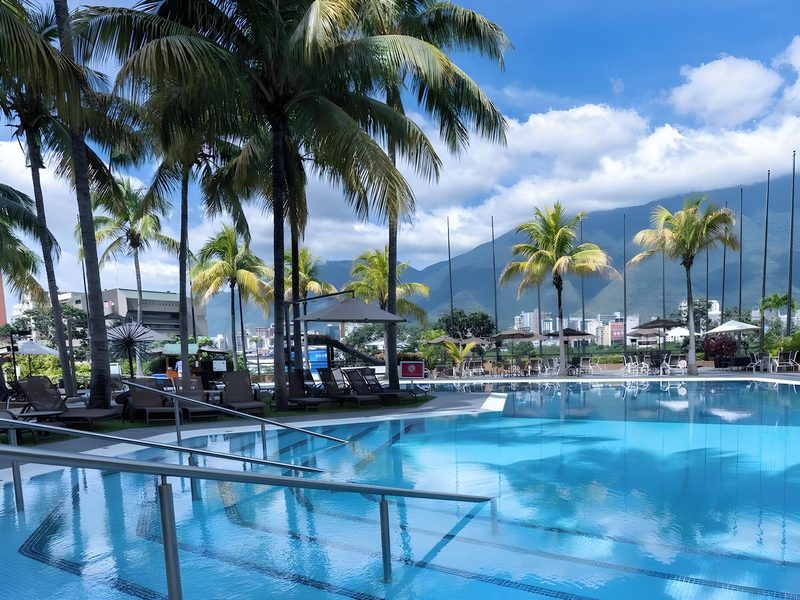
Hand-picked hotels across price tiers for April travellers.
Public Holidays in April
Dates that affect opening hours, transport and crowds
Proclamación de la Independencia
Known in English as Beginning of the Independence Movement. Observed nationwide as a public holiday.
Proclamación de la Independencia
Known in English as Beginning of the Independence Movement. Observed nationwide as a public holiday.
Packing Checklist
Bookmark this page — your progress is saved between visits
Need the full list with shopping links?
Climate-specific gear, brand recommendations, and what to leave at home.
View Caracas Packing List →Essential Tips
Insider knowledge and common pitfalls to avoid
Insider Knowledge
The Caracas metro is the most efficient and generally safest way to move through the central and eastern city. It connects the historic center at Capitolio station to the commercial districts of Chacao and Altamira in minutes, sidestepping the surface traffic that can turn a 3 km (1.9 mile) drive into a 45-minute crawl. Ride during daylight hours and keep your phone in your pocket while on the platform.
If you are heading to the coast, leave Caracas before 6 AM on weekdays and before 5 AM on weekends. The autopista to La Guaira is essentially a single mountain highway, and once the morning rush fills it, you are committed to a slow crawl through the tunnel with limited ventilation and zero shortcuts. The same bottleneck applies in reverse during the late afternoon return.
Venezuelan coffee culture runs on tiny cups of intensely strong, sweet coffee served at kiosks on virtually every commercial block. Order a negrito for a pure espresso shot or a marron for something with a splash of milk. The coffee is universally fresh and far better than you might expect from a sidewalk stand. Do not ask for a large coffee in the North American sense. It does not exist here, and the look you get will tell you everything.
Nightlife in Caracas concentrates in Las Mercedes and the adjacent El Rosal neighborhood, where blocks of restaurants transition into bars and clubs after 10 PM. Caraqueños eat dinner late and go out later still. Arriving at a bar at 9 PM means drinking alone. The scene picks up around 11 PM and runs until 3 or 4 AM on weekends. Venezuelan rum, served neat or in cocktails, is the drink of choice and rivals anything produced elsewhere in the Caribbean. Use a vetted taxi or ride-hailing car both ways without exception.
Book accommodation in the Altamira, Chacao, or Las Mercedes neighborhoods. These eastern districts offer the highest concentration of security infrastructure, restaurants, and transit access. April does not see significant price spikes, and booking two to three weeks ahead is typically more than sufficient for a good room. The cheapest options in the historic center are best left to experienced Latin America travelers with strong Spanish.
April 19 is a public holiday and many businesses close. But restaurants and cultural venues in the eastern neighborhoods tend to stay open. If your trip overlaps with the 19th, plan logistics around the closures but use the day itself for the historic center ceremonies in the morning and a long, unhurried lunch in Las Mercedes or El Hatillo afterward.
Avoid These Mistakes
Hailing an unmarked taxi from the street. Caracas has a well-documented history of express kidnappings involving unofficial cabs, and this is not an abstract risk. Use only ride-hailing apps, hotel-arranged cars, or radio-dispatched taxis with visible identification. This is the single most important safety practice in the city, and it is not optional.
Treat the Litoral Central coast as a full day, not an afternoon. The mountain drive spans just 30 km (18.6 miles). Weekend traffic pushes it past two hours. Leave early. Plan your return before late afternoon, when traffic surges back uphill.
Skip visible jewelry, watches, or expensive electronics around your neck in the historic center or on public transit. Caracas favors travelers who dress down and move like locals. The less you signal money, the fewer problems you attract. A scuffed daypack and plain clothing serve you better here than in almost any other Latin American capital.
Short on time? See day trips around Caracas on GetYourGuide.
Ready to plan your trip to Caracas?
Now that you've got the research covered, here's where to go next.
Explore More Activities in Caracas