
Things to Do in Caracas in July
July weather, activities, events & insider tips
Low Season · Budget Friendly
July Weather in Caracas
Long-run averages for July
82°F (28°C)
High Temp
68°F (20°C)
Low Temp
4.8 inches (122 mm)
Rainfall
78%
Humidity
12
Sunny-Day UV
⚠ Afternoon tropical downpours can trigger localized flash flooding in lower-lying neighborhoods along the Río Guaire valley. Avoid crossing flooded streets on foot or by vehicle. Stay well clear of drainage channels and culverts during active storms. Water rises fast here.
⚠ The mountain highway connecting Caracas to the Litoral Central coast is susceptible to landslides and rockfalls during prolonged heavy rain. Check road conditions before departing. Avoid driving this route after dark or during active downpours when visibility drops to near zero. Choose your timing.
⚠ Dengue and chikungunya mosquito risk increases during the rainy season. Use DEET-based repellent consistently. Cover exposed skin at dawn and dusk. Standing water in urban parks and construction sites across Caracas creates active breeding habitat throughout July. Spray often.
Making the most of July in Caracas? Browse tours and activities in Caracas on GetYourGuide.
Is July Right for You?
Weigh the advantages and considerations before booking
Advantages
- + Two national holidays fall in July. Independence Day hits on the 5th. Simón Bolívar's Birthday follows on the 24th. Caracas fills with military parades down Avenida Bolívar. Ceremonial wreath-layings happen at the Panteón Nacional. The streets and plazas carry a patriotic electricity. Visitors get a window into Venezuelan civic identity. Most months simply cannot provide this.
- + July rains transform Waraira Repano and the surrounding Cordillera de la Costa. They become some of the lushest tropical mountain scenery in northern South America. Hiking trails felt brown and sun-scorched in March. Now they tunnel through green so dense sunlight must fight its way down. Waterfalls along the upper routes run with real force. This happens for the first time since the previous wet season.
- + International visitor numbers sit at their annual low. Museums, markets, and beaches along the Litoral Central operate at a different pace. They move closer to local life than to tourism. You will likely be one of very few foreigners at Mercado de Quinta Crespo. The arepera lines move fast. Worth it.
- + Evening temperatures settle to a comfortable 20°C (68°F). This happens once the sun drops behind the western ridge. Outdoor dining in Las Mercedes becomes pleasant. Rooftop drinks around Plaza Altamira work too. The sweltering dry-season nights of March and April cannot match this. Caracas after dark in July has a cool-mountain-capital quality. Most visitors do not expect this from a city this close to the equator.
Considerations
- − Afternoon downpours arrive with near-daily reliability. They hit between roughly 1 PM and 4 PM. Enough rain falls to turn gutters into rivers. Anyone caught outdoors without a plan gets stranded. This is not a light drizzle. It is a proper tropical wall of water. It can drop 20 mm (0.8 inches) in under an hour. A pleasant walk becomes a scramble for cover.
- − The mountain highway connecting Caracas to the Litoral Central coast has problems. Heavy July storms bring reduced visibility and occasional landslide debris. A normal 30-minute drive can stretch into a tense, slow-crawling hour. Sections of the road may close entirely. Day-trip routes to Colonia Tovar and other highland towns suffer too. Plan accordingly.
- − Personal security in Caracas demands consistent situational awareness. This goes beyond what most Latin American capitals require. Opportunistic theft is a real concern in crowded transit hubs and commercial zones. Walking after dark outside established nightlife districts is not advisable. Las Mercedes and Altamira are exceptions. Local guidance helps elsewhere. Stay alert.
Settled on July? Compare hotel prices in Caracas for your dates on Trip.com.
Best Activities in July
Top things to do during your visit
Waraira Repano Morning Hikes
The mountain Caraqueños still call El Ávila rises to 2,765 m (9,072 ft) directly north of the city. July is arguably the best month to hike it. The trails from the Sabas Nieves entrance above Altamira wind through a wet, green canopy. Turpiales fill the air with sound. Last night's rain drips off cecropia leaves. The air at the trailhead sits around 22°C (72°F) at 7 AM. Cool enough for sleeves. Cloud cover builds through the morning. It filters the tropical sun without blocking views of five million people waking up in the valley below. The rule is absolute. Start before 6:30 AM. Be off the trail by 11 AM. The afternoon clouds do not negotiate. They stack against the north face. When the rain comes, dirt paths turn into streams fast enough to make footing treacherous. The teleférico cable car from the Maripérez station has a mechanical shortcut to the upper ridge. Its midcentury landmark building is visible from everywhere in the valley. The cable car schedule tends to be erratic. Confirm operating hours the day before you plan around it.
Booking Tip: Book guided group hikes through licensed outdoor operators. Do this at least a week ahead in July. Wet trails benefit from a guide who knows which routes drain well. Some turn to mud chutes. See current options in the booking section below. Solo hikers should register at the park entrance. Carry a charged phone with offline maps. Essential.
Litoral Central Beach Excursions
The Caribbean coast sits barely 30 km (19 miles) north of Caracas. It lies on the other side of El Ávila's ridge. A highway punches through the mountain in a series of tunnels. The air becomes immediately, noticeably hotter and saltier. Macuto's beachfront has the closest stretch to the highway exit. It carries the worn, salt-blasted charm of a resort district that peaked decades ago. It never stopped being the place Caraqueños go when they need the sea. The water is warm enough that it barely registers as cool when you walk in. July waves tend to be manageable for swimming. Late autumn brings choppier swells. Naiguatá, further east, draws a younger crowd with louder music and colder beer. The key is leaving Caracas early. Before 8 AM. The highway is clear then. Morning sun lights the coast without the brutality of midday. Plan to be heading back by 2 PM. The afternoon rain hits the coast too. The mountain highway in heavy rain demands full attention. Both hands on the wheel.
Booking Tip: Organized beach shuttle tours from Caracas handle the driving and timing logistics. This is worth considering if you are unfamiliar with the mountain highway. Book several days ahead. Confirm that the tour departs early enough. You need to arrive before the midday heat peaks. See current options in the booking section below.
Historic Center Walking Tours
The old center of Caracas clusters around Plaza Bolívar, a shaded square where the bronze equestrian statue of the Libertador stares down from its pedestal at pigeons, pensioners, and, in July, the flags and bunting that go up for Independence Day. From the plaza, the Catedral de Caracas and the Panteón Nacional, where Bolívar's remains lie beneath a ceiling painted by Tito Salas in golds and deep reds that manage to feel solemn rather than overwrought, are within a few blocks of each other, and the walk between them passes colonial-era facades in various states of grandeur and decay. The neighborhood smells like diesel exhaust and frying empanadas in roughly equal measure. July's patriotic holidays charge these streets with a significance that is hard to manufacture. Standing in front of the Casa Natal del Libertador, the reconstructed house where Bolívar was born, on the morning of July 24 while schoolchildren in uniform lay flowers is one of those moments that no amount of reading about South American independence movements can replicate. Walk in the morning when the heat is bearable and the light sits right for photographs. By afternoon the rain and the energy both shift.
Booking Tip: Guided walking tours with a local historian who can narrate the independence-era context make the architecture resonate rather than sitting as silent stone. Book at least a week ahead for tours covering the July 5 and July 24 holiday periods, when demand from domestic visitors spikes. See current options in the booking section below.
Colonia Tovar Mountain Day Trip
Roughly 42 km (26 miles) west of Caracas, up a winding road that climbs through coffee plantations and cloud forest, sits Colonia Tovar, a town founded by Black Forest immigrants in 1843 that still looks and, in certain moments, smells like it belongs in the Schwarzwald rather than the Venezuelan highlands. At 1,800 m (5,906 ft) elevation, July temperatures hover around 16°C (61°F), which after the humidity of Caracas at 900 m (2,953 ft) feels like stepping into a different season entirely. The main street is lined with half-timbered buildings and bakeries that turn out strudel and bratwurst alongside cachapas and strawberries grown on the surrounding hillsides. The strawberries in July are fat and slightly tart, still cool from the mountain morning, and worth the drive on their own. The afternoon fog rolls in here too, wrapping the town in a soft grey that makes the warm glow from the bakery windows more inviting and the aroma of fresh bread sharper in the wet air. Go on a weekday if you can. Weekend traffic on the access road backs up badly, and the cobblestone streets fill with day-trippers from the capital.
Booking Tip: Day trip tours from Caracas typically include round-trip transportation and a guided walk through the town and surrounding strawberry farms. Book three to five days ahead, and confirm that the tour departs early enough to arrive before the midday crowds descend. See current options in the booking section below.
Venezuelan Street Food and Market Culture Tours
The sound that defines eating in Caracas is the slap of fresh corn masa onto a hot plancha, followed by the sizzle as it catches and begins to char. The smell that follows, sweet roasted corn with an edge of smoke, is the city's olfactory signature in a way that nothing else comes close to matching. The arepa is the center of gravity here: a thick corn cake split open and filled with everything from reina pepiada (shredded chicken mashed with avocado and a sharp hit of mayonnaise, invented in the 1950s to honor a Venezuelan beauty queen) to domino (black beans and white cheese, named for the color contrast). Mercado de Quinta Crespo, a covered market that has anchored the western side of the city for generations, is where you go when the July afternoon rain traps you indoors and you want the full sensory experience. Corridors stack with mango, papaya, and guanábana at various stages of ripeness. Vendors press queso de mano still warm from the morning's production. Lunch counters serve pabellón criollo with black beans slow-cooked until they turn creamy and tajadas of sweet plantain fried until the edges caramelize to a glassy crunch. July's mango season is winding down but still producing fruit worth eating, and the parchita is at its sharpest and most vivid for fresh juices.
Booking Tip: Guided food walks with local hosts who know the market vendors by name give you access and context that walking in cold does not. The best stalls carry no signs. The cooks tend to be more generous with someone they recognize. Book at least five days ahead. See current options in the booking section below.
Caracas Museum and Performing Arts Circuit
When the afternoon sky over Caracas turns the color of wet concrete and the rain starts hammering the pavement hard enough to bounce, the city's cultural institutions become the obvious move. They happen to be worth your time on any day, not just a rainy one. The Museo de Arte Contemporáneo, housed in a modernist complex in Parque Central, holds works by Picasso and Miró alongside a deep collection of Venezuelan kinetic and geometric abstraction by Jesús Soto and Carlos Cruz-Diez, whose optical-illusion pieces vibrate and shift in ways that photographs simply cannot capture. The Galería de Arte Nacional nearby covers five centuries of Venezuelan visual culture in cool, quiet galleries that rarely feel crowded. For performing arts, the Teatro Teresa Carreño, a hulking concrete performing arts center that ranks among the largest in South America, runs a July program that often features the Orquesta Sinfónica Simón Bolívar, the flagship ensemble of Venezuela's El Sistema music education program, and the quality of the playing holds its own against any orchestra in the hemisphere. The air conditioning alone is a relief on a humid afternoon. The art earns the visit.
Booking Tip: Check the Teatro Teresa Carreño performance schedule the moment your travel dates are set. El Sistema orchestra concerts and ballet performances sell fast with domestic audiences, and July's cultural calendar tends to fill around the national holidays. Book tickets as far ahead as possible. See current options in the booking section below.
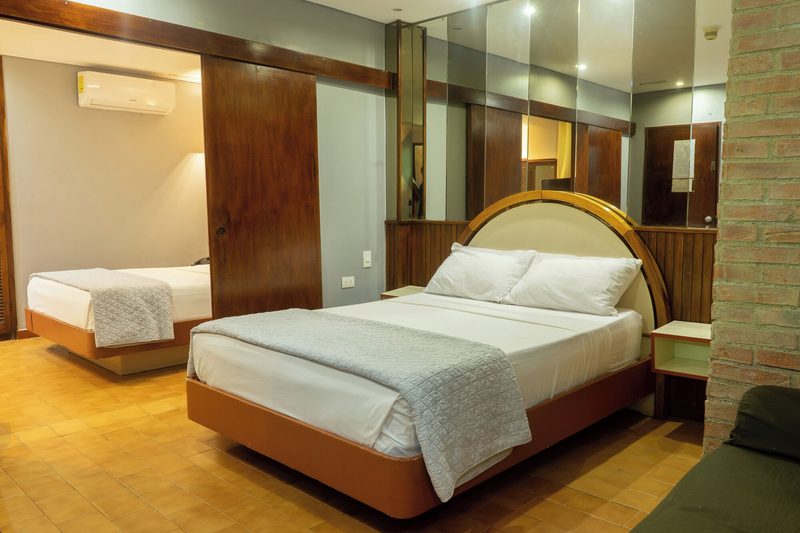
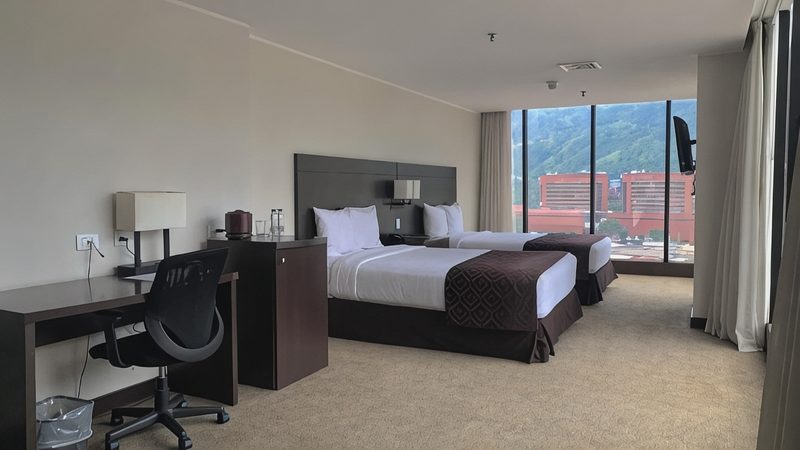
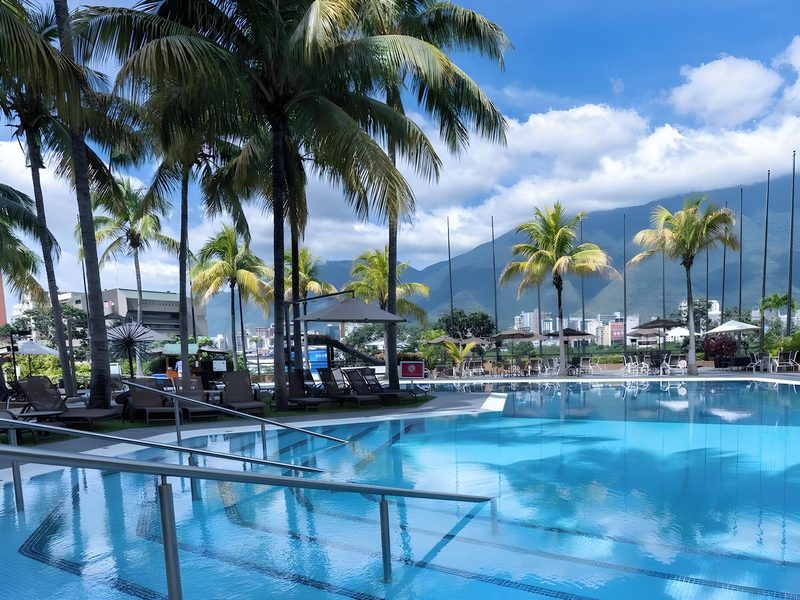
Where to Stay in Caracas in July
Hand-picked hotels across price tiers for July travellers.
Public Holidays in July
Dates that affect opening hours, transport and crowds
Cinco de julio
Known in English as Independence Day. Observed nationwide as a public holiday.
Natalicio del Libertador Simón Bolívar
Known in English as Simón Bolívar's Birthday. Observed nationwide as a public holiday.
Cinco de julio
Known in English as Independence Day. Observed nationwide as a public holiday.
Natalicio del Libertador Simón Bolívar
Known in English as Simón Bolívar's Birthday. Observed nationwide as a public holiday.
Packing Checklist
Bookmark this page — your progress is saved between visits
Need the full list with shopping links?
Climate-specific gear, brand recommendations, and what to leave at home.
View Caracas Packing List →Essential Tips
Insider knowledge and common pitfalls to avoid
Insider Knowledge
The Metro de Caracas is the fastest and, for most visitors, the safest way to move through the city center. It connects Altamira, Chacao, Sabana Grande, and the historic district in air-conditioned cars that bypass the legendary surface traffic, where a 5 km (3.1 mile) drive can stretch to an hour during peak hours. Rechargeable fare cards are available at any station entrance.
Caraqueños eat dinner late. 8 PM is early. 9:30 PM is normal. The nightlife districts of Las Mercedes and the blocks around Plaza Altamira come alive after 10 PM on weekends with outdoor tables, live music drifting from second-floor bars, and a street energy that takes advantage of those pleasant 20°C (68°F) July evenings. The scene is local-dominated and welcoming if you make even a minimal effort in Spanish.
U.S. dollars are widely accepted alongside bolívares in shops, restaurants, markets, and even some street vendors. Carry small denominations because change in dollars is often hard to come by. Mobile payment apps have become the default for many everyday transactions among Caraqueños. This is a cash-flexible economy that adapts to what you carry.
The Waraira Repano park entrance points have informal vendors selling fresh-squeezed orange juice and empanadas at dawn. Arriving early enough to buy breakfast at the trailhead is both the correct hiking strategy for July weather and one of the best meals you will eat before noon. The empanadas come out of the oil crackling, stuffed with soft white cheese that stretches when you bite through the shell, and the juice is still cold from the morning mountain air.
Avoid These Mistakes
Packing only for tropical heat and being caught shivering on an evening walk. Caracas sits at 900 m (2,953 ft) above sea level, not at beach elevation. The swing between the afternoon high of 28°C (82°F) and the nighttime low of 20°C (68°F) catches first-timers off guard. They arrive expecting Caribbean heat around the clock. Pack layers.
Scheduling outdoor activities, hikes, beach trips, walking tours, for the afternoon. Then watching the sky turn black and the rain arrive like a wall by 1 PM. Mornings are the only reliable weather window in July. The entire city's rhythm reflects this with early starts and indoor pivots after lunch. Rise early.
Carrying visible electronics in hand, wearing jewelry, or using a large open backpack in crowded transit hubs and commercial streets. Caracas rewards those who blend in and move with purpose. Keep your phone in your pocket when not actively using it. Dress modestly. Swap the tourist amble for a Caraqueño's purposeful stride.
Short on time? See day trips around Caracas on GetYourGuide.
Ready to plan your trip to Caracas?
Now that you've got the research covered, here's where to go next.
Explore More Activities in Caracas